
On April 17, 2030, the National Aerospace University “Kharkiv Aviation Institute” will celebrate the 100th anniversary of its founding. However, the real history of KhAI began much earlier.
In April 1930, the aviation engineering school received its modern name, which it has proudly borne for almost a century. Through victories and trials, through wars and recovery, through difficult times, ups and downs, a unique educational and scientific center was formed - one that has become a symbol of Ukrainian aerospace education.
It is symbolic that KhAI was born in Kharkiv - a city that became the cradle of aviation and rocket-and-space technology in the country. Kharkiv’s renowned scientific and educational schools and leading enterprises became a powerful engine and reliable wings that brought Ukraine into the elite club of the world’s aerospace nations.
Kharkiv aviation has already entered its third century. As early as the second half of the 19th century, a circle of like-minded people formed here who believed in the possibility of conquering the sky. Their enthusiasm for the ideas of aeronautics united a scientific and technical aviation community in Kharkiv. It was in the late 1870s that Kharkiv became one of the centers of these bold experiments.


Mykhailo Lavrentiev, a native of Kharkiv, was a pioneer of aeronautics and one of the first domestic practical aeronauts. Unlike theorists, he personally designed flying machines and carried out ascents himself, which at the time was an extremely dangerous, often deadly endeavor. Between 1874 and 1880, he built five hot-air balloons, on which he conducted flights in Kharkiv and Odesa.

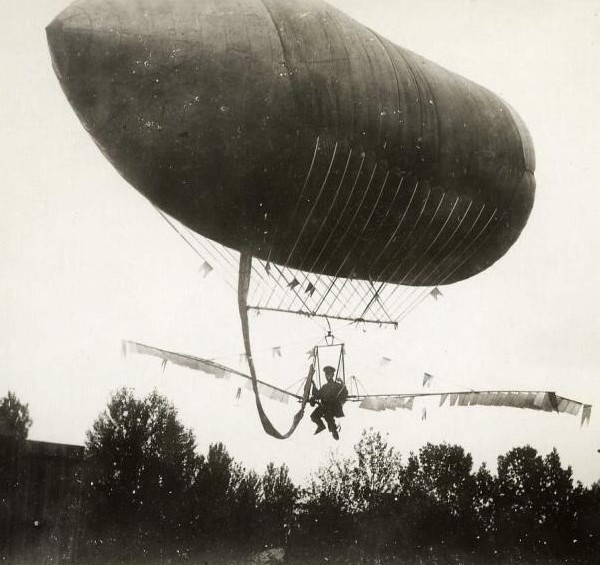
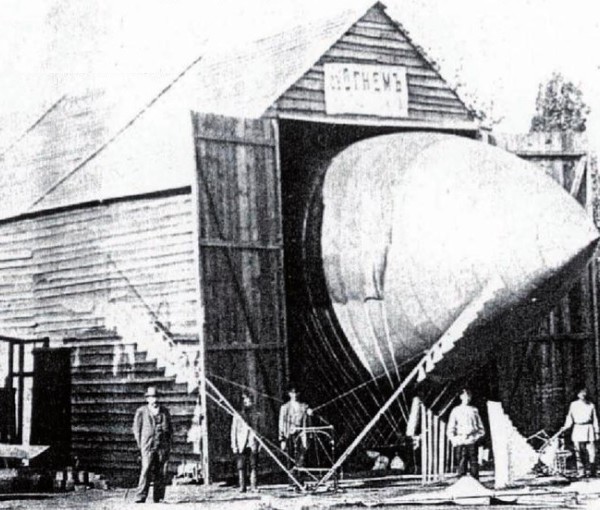
Kostiantyn Danylevskyi, a renowned Kharkiv neurologist, was effectively on the threshold of creating a fully functional airship and sought to solve the problem of controlled flight. His unique invention, the “Musculoplan,” was powered by human muscle strength. Between 1897 and 1900, Danylevskyi built four different models of flying machines and made about 200 successful flights over Kharkiv.

In 1885, the Kharkiv Practical Technological Institute was founded in Kharkiv - the second of its kind in the Russian Empire. In 1898, it was reorganized into the Kharkiv Technological Institute, where at the beginning of the 20th century an aviation section was established, and later an aviation specialization was opened within the Mechanical Faculty.

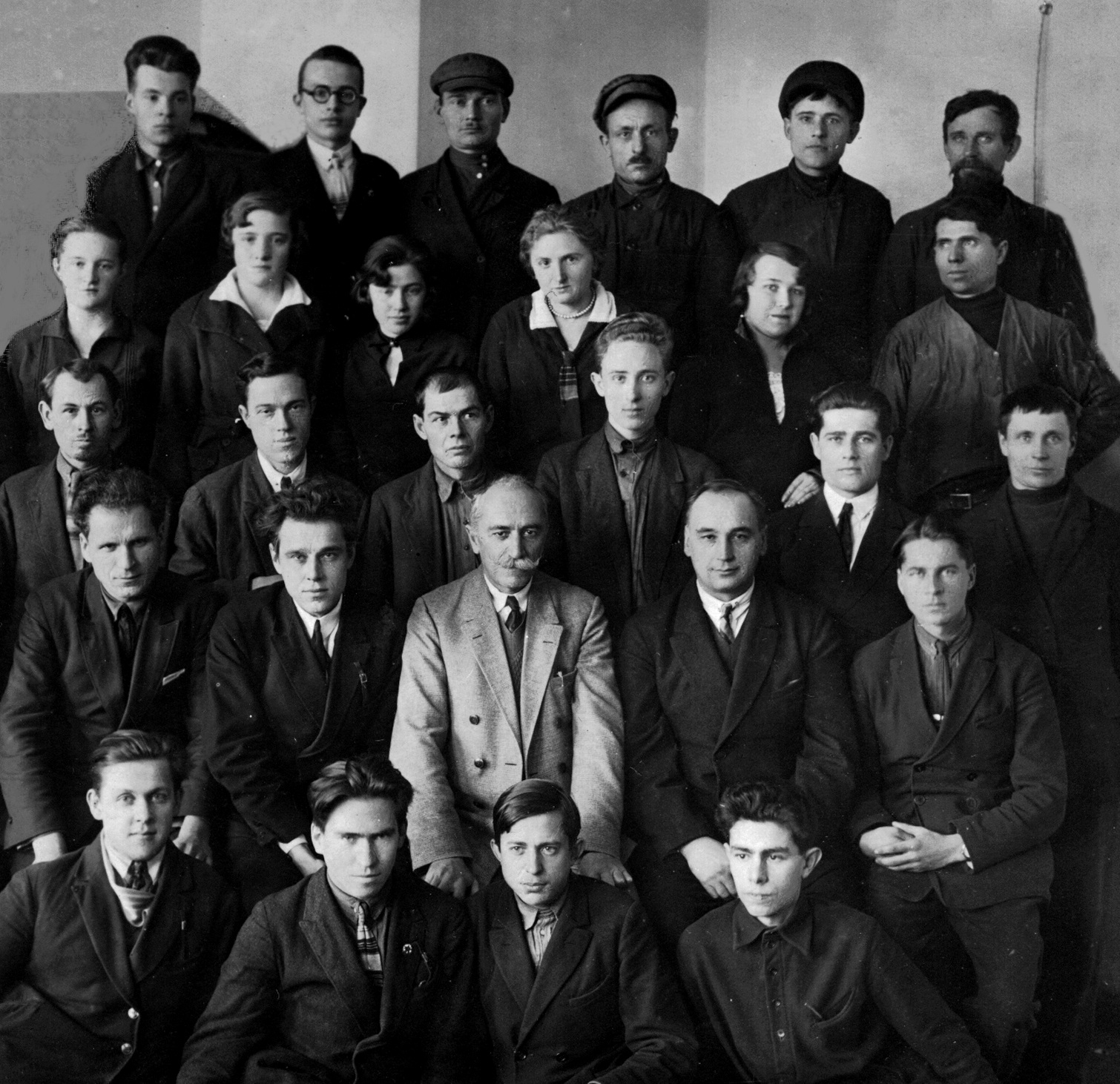
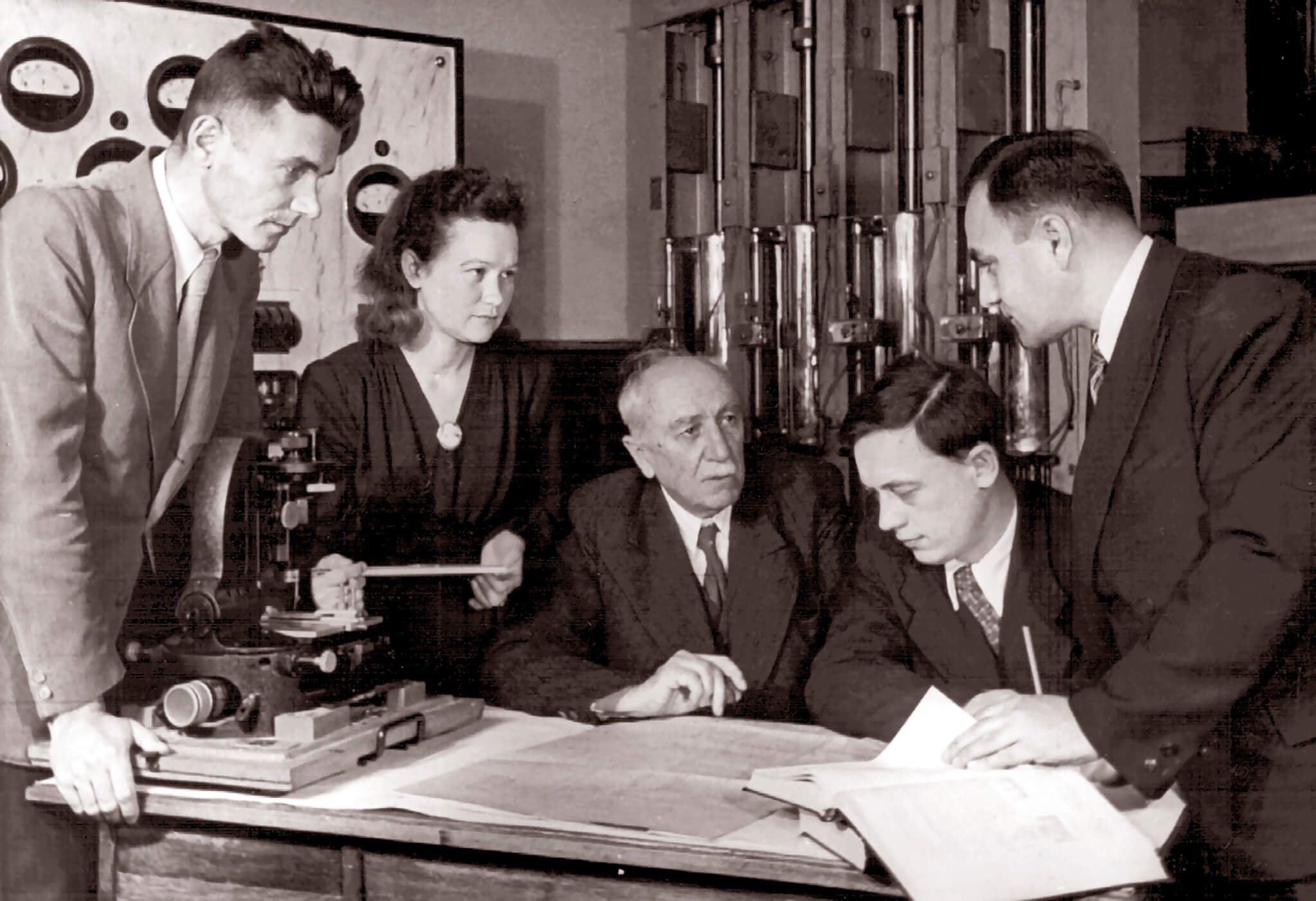
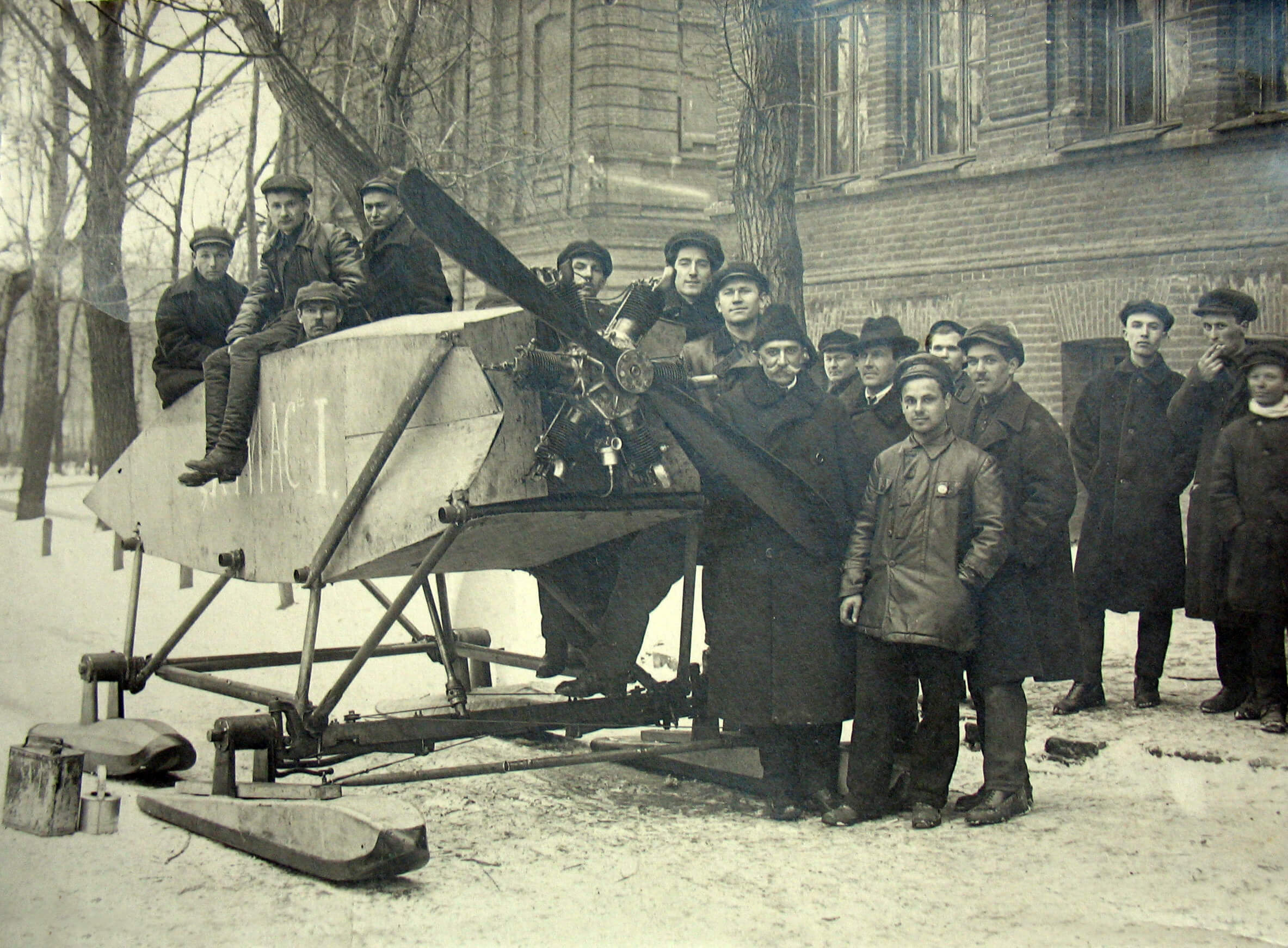
A significant contribution to the development of aviation was made by Professor Heorhii Proskura, one of the founders of the Kharkiv aviation school, who began teaching at the Kharkiv Technological Institute in 1901 and brought together a circle of like-minded people passionate about aviation. Even then, Kharkiv was buzzing with life filled with aviation events.

In 1910, at the Kharkiv hippodrome, in the presence of several thousand spectators, Serhii Utochkin - one of the first aviators of Eastern Europe - demonstrated flights in an aeroplane. His performances became a true inspiration for the people of Kharkiv.
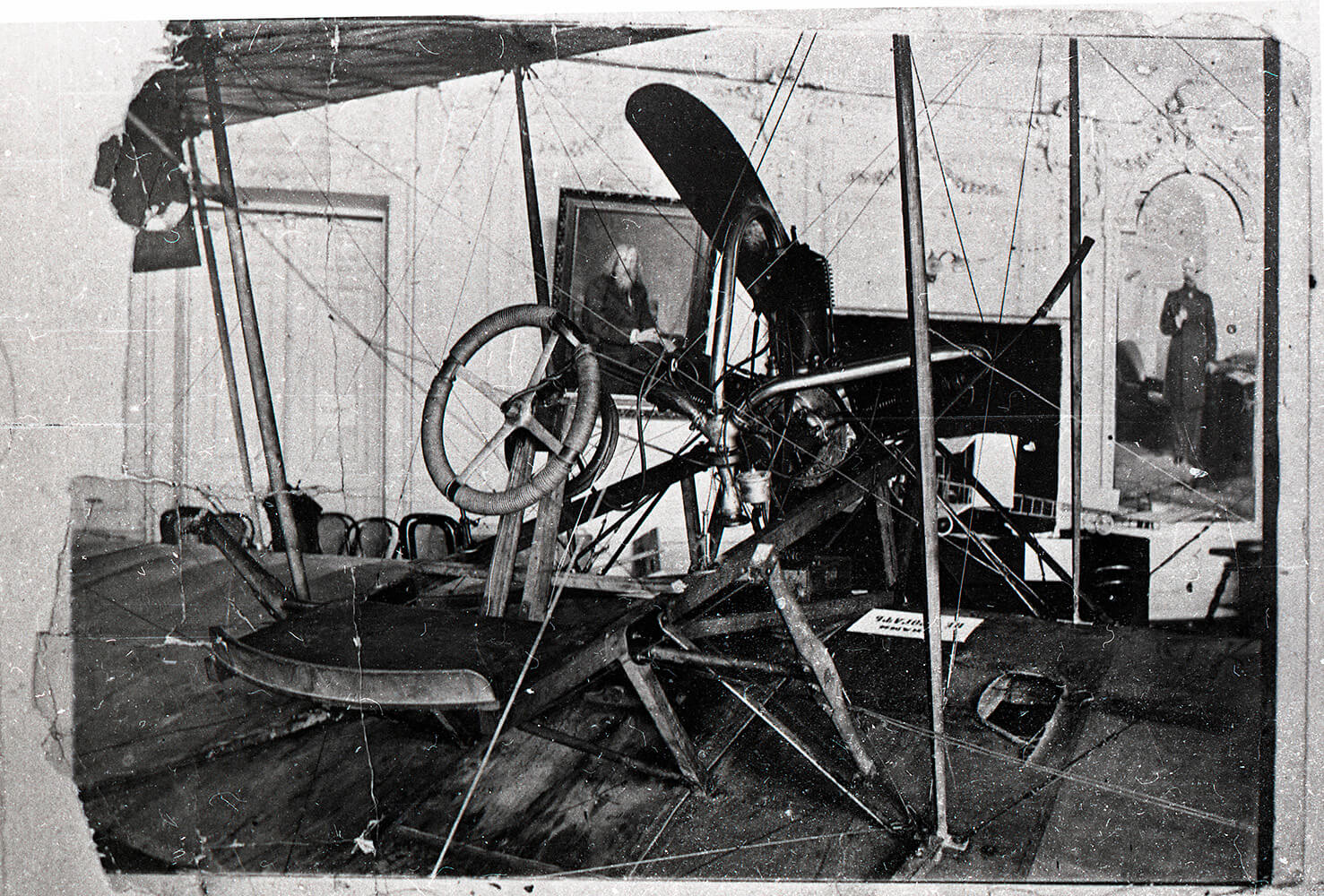
In August 1911, aviation enthusiasts in Kharkiv organized the first aviation exhibition in the south of the Russian Empire. It was a great success and attracted more than eight thousand visitors.
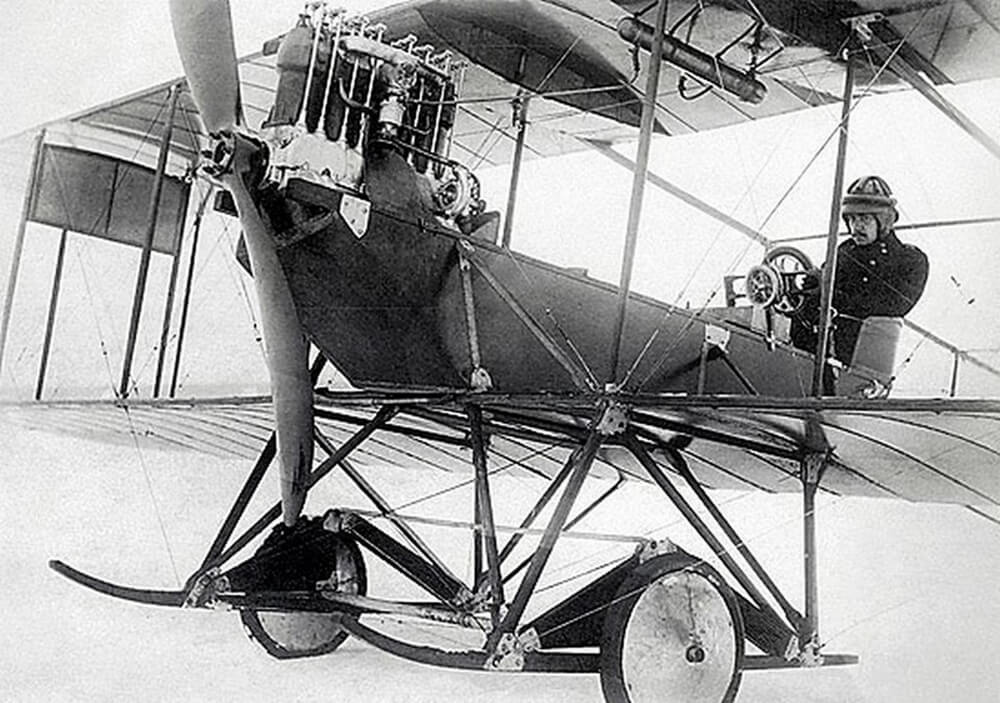
A landmark event was the arrival in Kharkiv on August 28, 1911, of the already well-known aircraft designer Ihor Sikorsky, who demonstrated his aeroplane. Later he sent a telegram: “Despite the fact that Kyiv is separated from Kharkiv by a great distance, I nevertheless live by Kharkiv. In this case, space does not exist…”
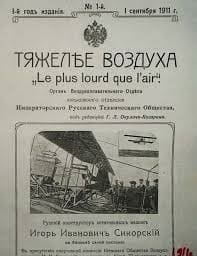
On September 1, 1911, the first issue of the monthly magazine “Heavier than Air” was published in Kharkiv (editor: Hryhorii Okulych-Kazarin), featuring materials on aviation topics.
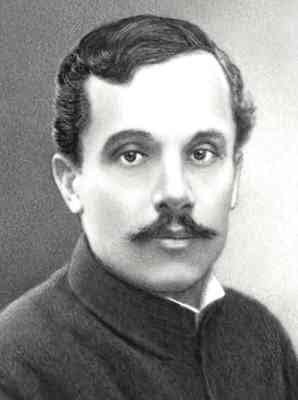
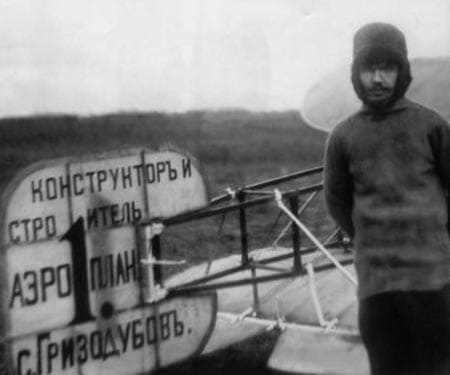
In 1912, the first flight of Kharkiv’s self-taught aviator - amateur pilot Stepan Hryzodubov - took place.
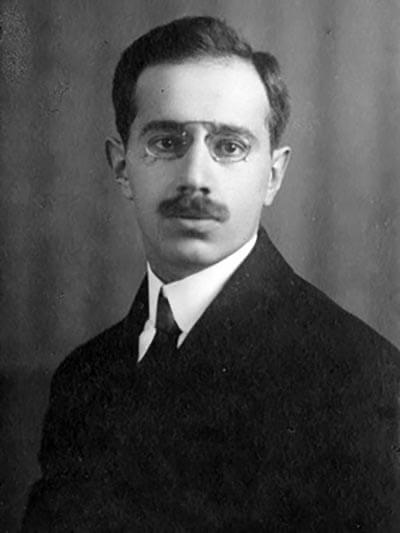
By that time, a strong aviation-technical community had already formed in Kharkiv, and in 1923, in response to the needs of the era, an aviation specialization was opened at the Kharkiv Technological Institute. In 1925, Mykhailo Hurevych - the future chief designer of MiG aircraft - graduated from it.
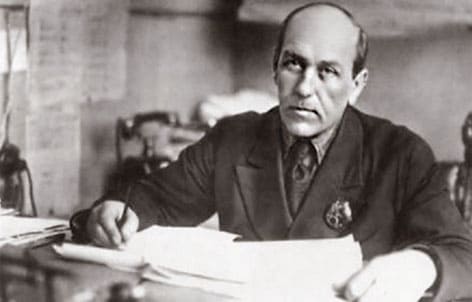
A turning point for Kharkiv aircraft builders was the establishment of the Kharkiv Aviation Plant, which began operations in 1926. The enterprise was headed by the renowned aircraft designer Kostiantyn Kalinin.
It was Heorhii Proskura and Kostiantyn Kalinin who initiated the creation of an aviation institute based on the aviation specialization at the Kharkiv Technological Institute. Kalinin’s idea - “They build at the Kharkiv Aviation Plant, they learn at KhAI” - established a strong alliance between education and industry, which became the main tradition of KhAI.
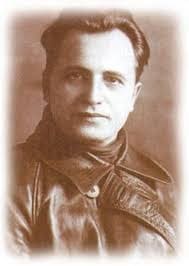
Kalinin became one of the first twelve lecturers at the aviation institute. Alongside him, engineers and designers from the aviation plant joined the teaching staff, including Chief Engineer Hryhorii Petrov (Horbenko), who became the first director of KhAI. They all understood the production’s need for engineering personnel, as well as the importance of combining theory with practice.
At the time of its founding, KhAI had two faculties - Aircraft Construction and Engine Construction - where 12 lecturers taught 69 students. However, the institute developed at an extraordinarily rapid pace.
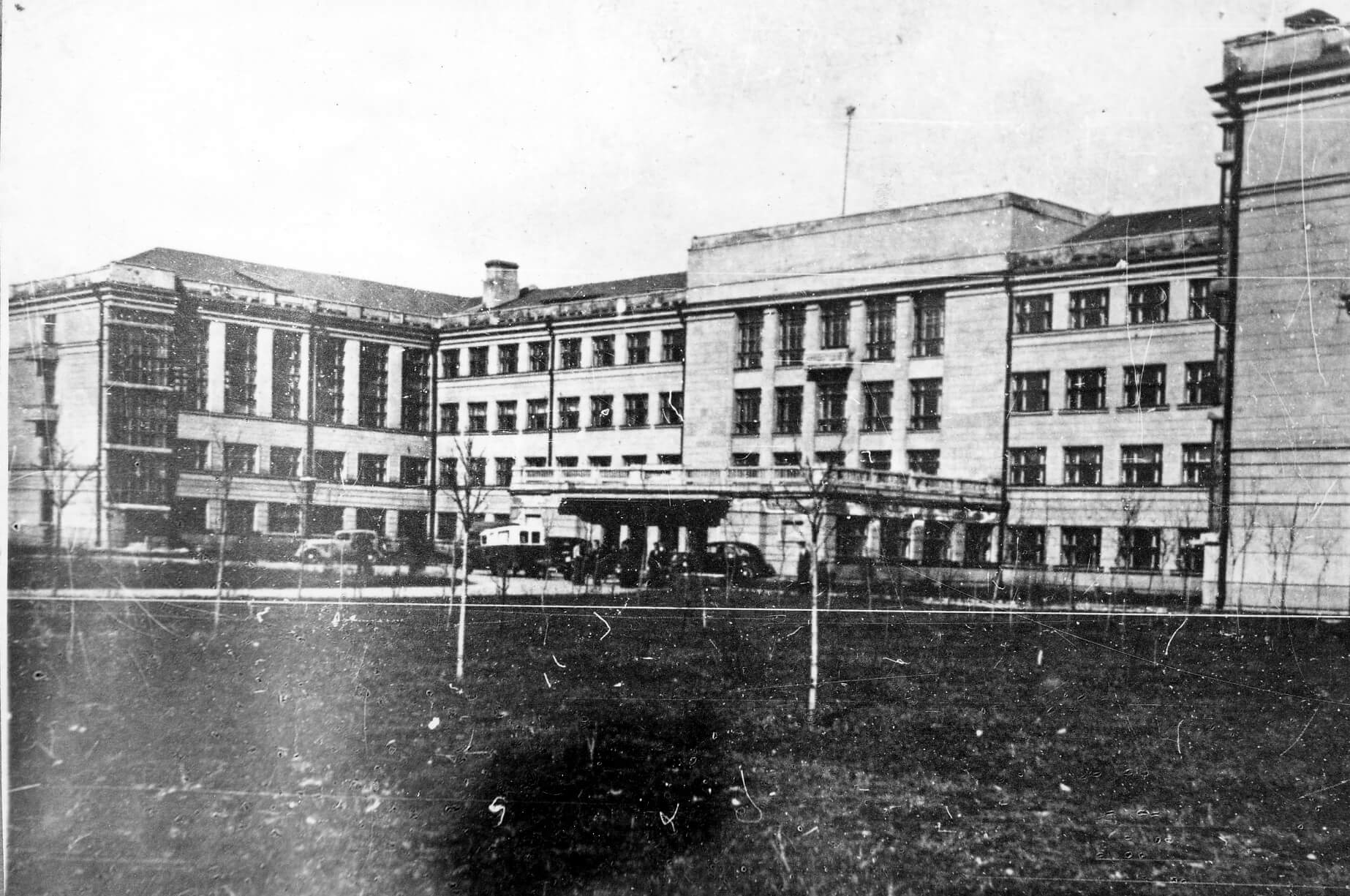
In the spring of 1931, construction began on the Main and Engineering (Aircraft Construction) buildings of KhAI.
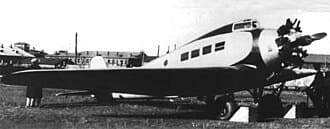
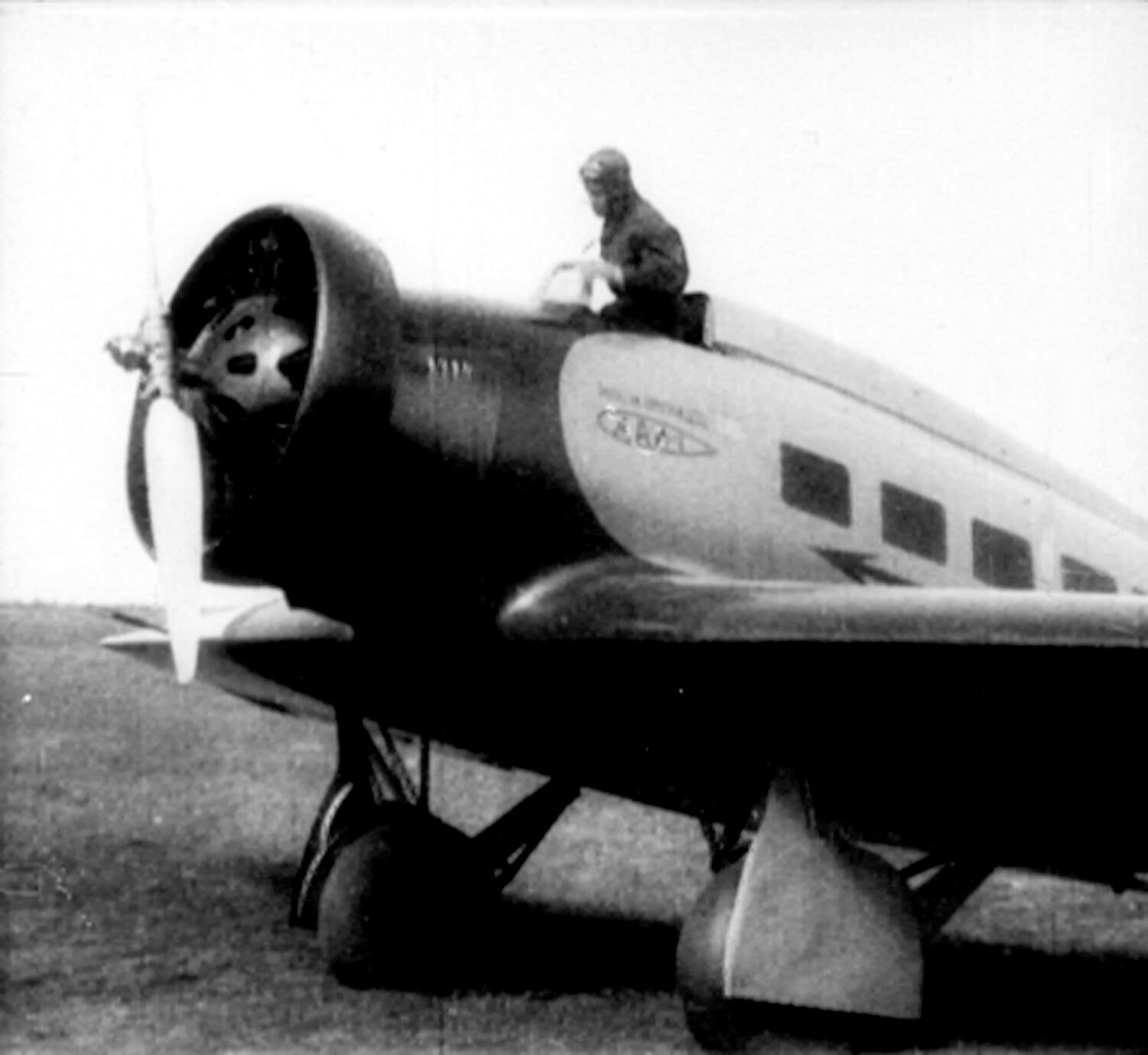
In 1932, Europe’s first high-speed passenger aircraft, the KhAI-1, took flight. It featured retractable landing gear and was developed by KhAI lecturers and students under the guidance of Professor Yosyp Neman of the Department of Aircraft Design. This is the only case in which a passenger aircraft designed within a university was produced serially and operated on commercial passenger routes.
The KhAI-1 was rightfully recognized as the most economical aircraft of its time. A total of 43 planes were built, which were successfully operated until 1940.
The first KhAI-branded aircraft gave rise to a new tradition at the Kharkiv Aviation Institute - combining the educational process with real aircraft design. Thus, in 1933, KhAI became the first aviation educational institution to establish an Experimental Design Bureau (OKB) for designing high-speed aircraft with improved aerodynamics.
Here, not only aircraft but also gliders of advanced designs were developed.
KhAI’s airplanes and gliders set world records.
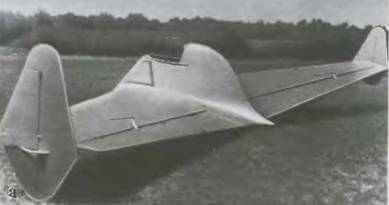
In 1934, a world aerobatics record was set on the glider “OSVIAKHIMOVETS KhAI”: pilot Ryzhkov performed 26 consecutive loops, one of which ended in a reverse direction. During this maneuver, the pilot executed a 180° turn while inverted.
In 1934, the tailless glider “Osoviakhimovets KhAI” was successfully showcased at international exhibitions in Copenhagen and Paris, where it made a strong impression on Western experts.
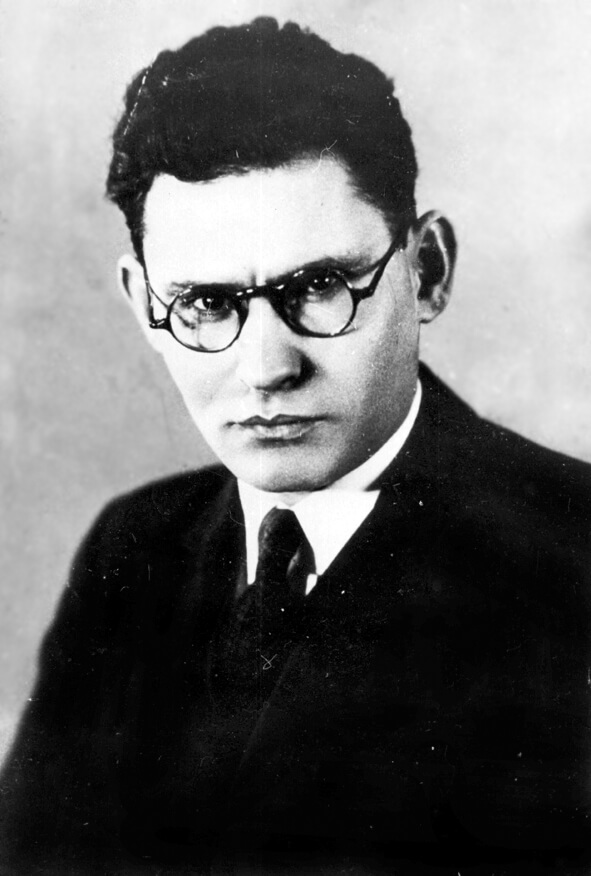
Professor Neman considered the aerodynamic design of the tailless aircraft promising and worthy of in-depth study. He was convinced that solving the flying-wing problem would bring a revolution in aviation and provide a powerful impetus for increasing flight speed - a concept that today is realized in drone designs.
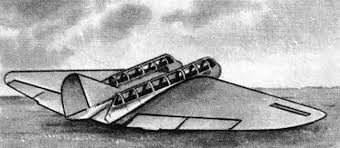
In 1934, under the guidance of engineers Oleksandr Lazarev and Hanna Krol, student aircraft builders created the glider Aviavnito-3.
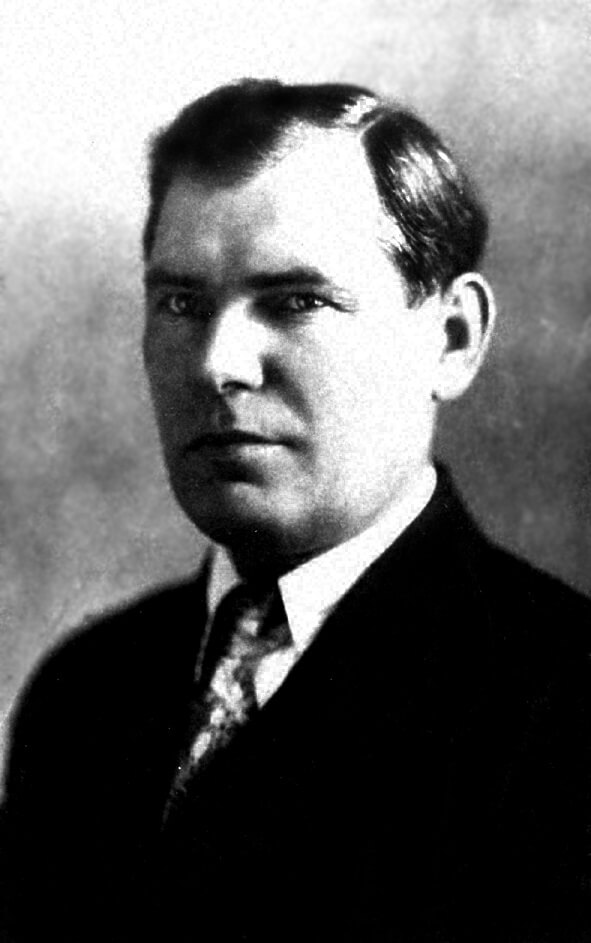
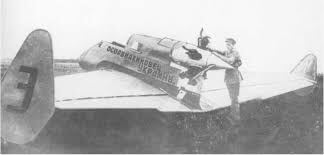
In the same year, KhAI engineer and lead designer at Kalinin’s Design Bureau, Pavlo Bening, organized the creation of the original tailless aircraft KhAI-4.
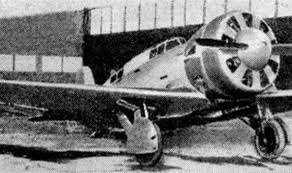
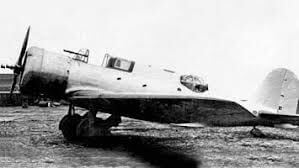
In 1936, Professor Neman’s team created the high-speed reconnaissance aircraft KhAI-6 and KhAI-5 (R-10).
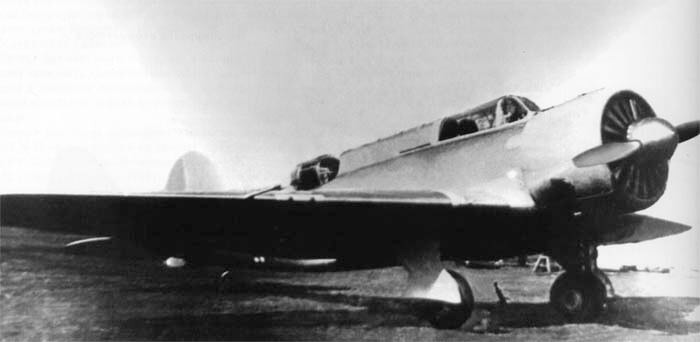
At the beginning of 1938, a two-seat ground-attack aircraft, reconnaissance plane, and light bomber, the KhAI-51, was developed and began testing. Experts consider it the pinnacle of Yosyp Neman’s creative talent.
The new aircraft had better flight and technical characteristics than the KhAI-5. With the same dimensions and takeoff weight, its speed increased by 30 km/h, and its service ceiling rose by 2,000 meters.
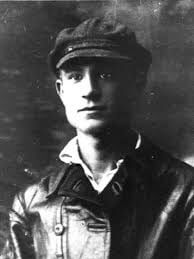
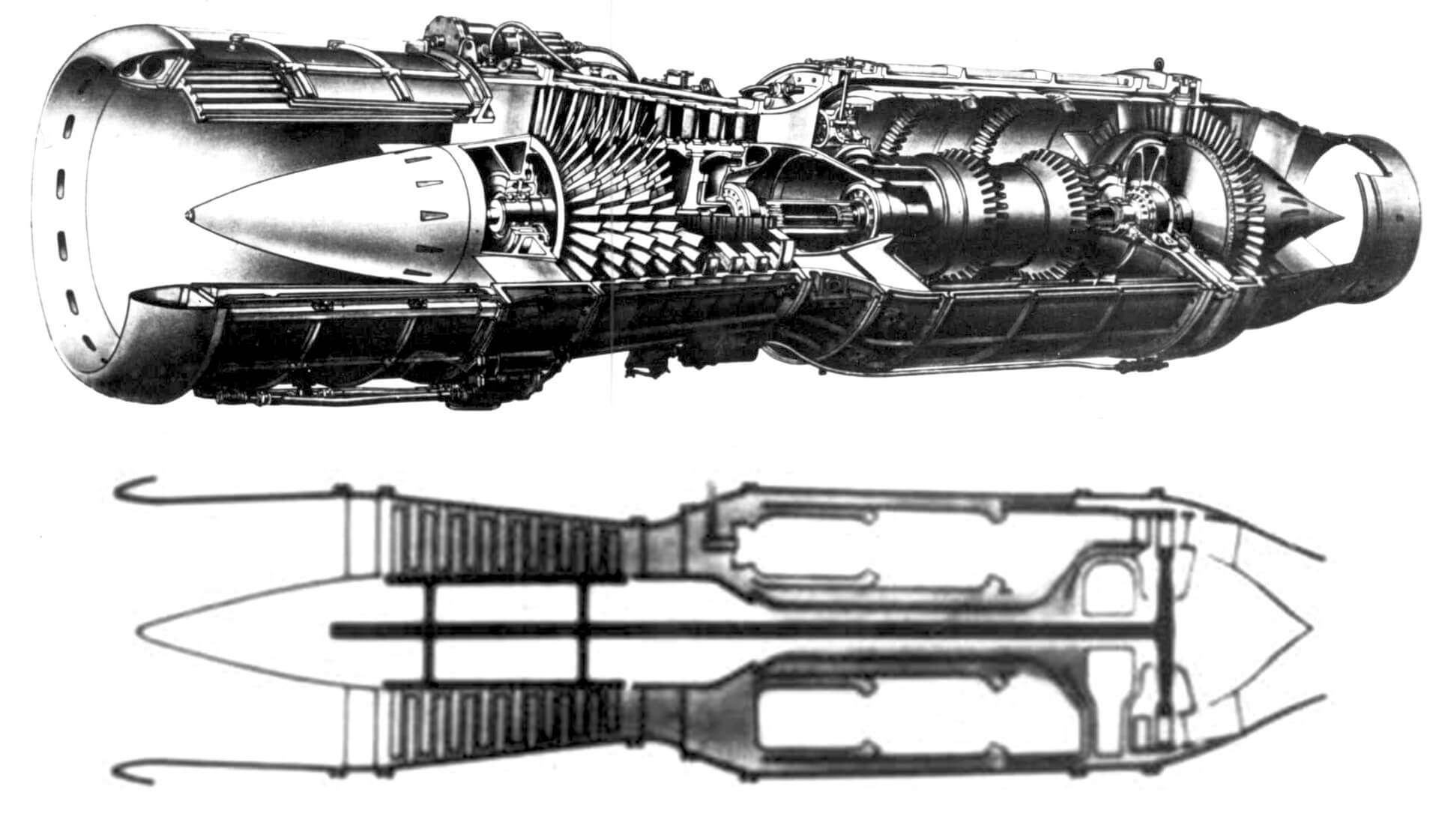
The Engine-Building Faculty was also developing rapidly: its departments and laboratories were being modernized. Between 1934 and 1936, the young engineer Arkhip Lyulka worked at the faculty. It was at KhAI that he designed the first domestic turbojet engine, which now, as a cherished gift from the designer, adorns the Engine-Building Building.
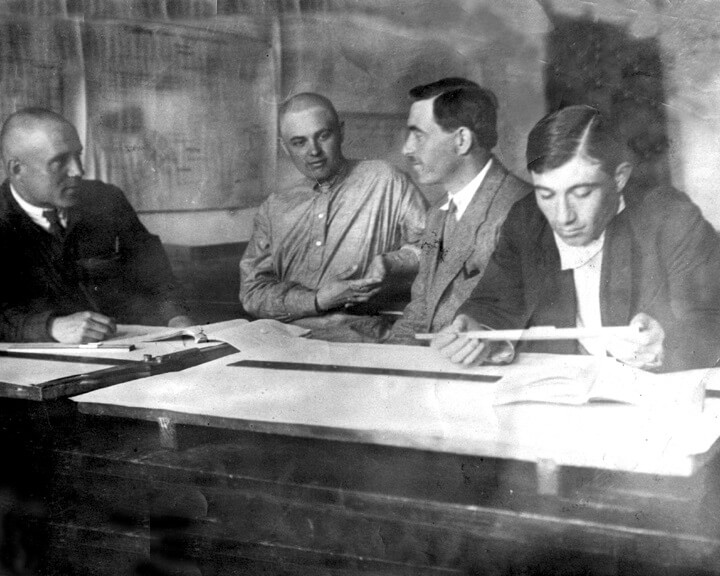
An active group of enthusiasts operated within the Aviation Engine Laboratory and the Department of Aircraft Engines under the leadership of Professor Vasyl Tsvetkov. They worked on improving two-stroke engines, implementing direct fuel injection into the combustion chamber of aircraft engines, and conducting research on gas-turbine engines.
This is how scientific and educational schools in various research fields began to emerge.
Since the 1920s, Academician Heorhii Proskura specialized in the theory of jet propulsion and, as a result, in 1926 he organized a group for the study of jet propulsion at the aviation department of the Kharkiv Technological Institute.
From November 1937, a Jet Propulsion Research Group was actively operating at KhAI, within which the first rockets were being designed.
The Kharkiv GVRR group was the most successful in the country.
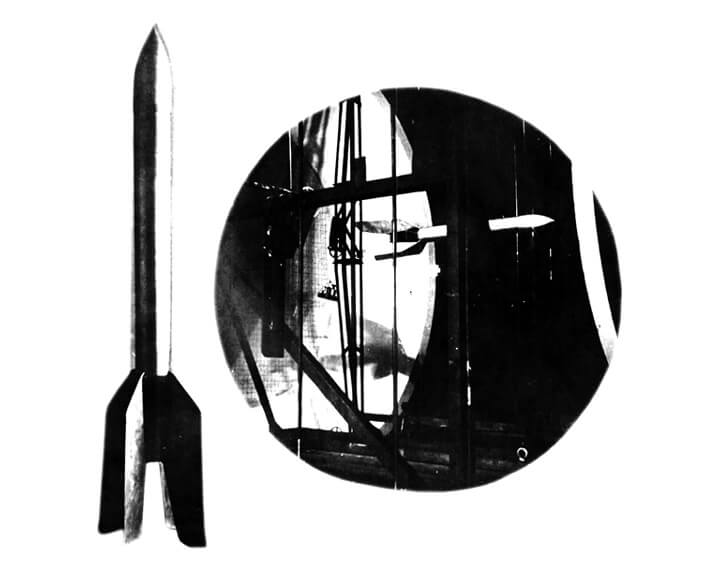
On September 19, 1940, near Kharkiv, by the village of Cherkaska Lozova, Rocket No. 2, created by members of the group, was successfully launched.
In 1941, on the eve of the Nazi invasion, the institute had an experimental design bureau and was actively conducting scientific research in aerodynamics, aircraft and engine design, and the development of manufacturing technologies. The institute had over 1,000 students and more than 100 faculty members, including one academician, three Doctors of Technical Sciences, six professors, 16 Candidates of Technical Sciences, and over 20 associate professors.
The institute’s development was interrupted by the invasion of Nazi Germany. More than 500 KhAI faculty members and students went to the front. In the first days of the war, dozens of students joined the fight as part of Kharkiv’s first and second student battalions.
The bomber KhAI-5, developed at the institute and produced under the serial designation R-10, remained in combat until 1943.
German forces occupied Kharkiv in October 1941. A few days earlier, the last train carrying KhAI students and faculty set out for evacuation, where the training of specialists for the aviation industry continued.
At that time, senior students worked at defense enterprises in engineering positions. Many of them were awarded orders and medals for their achievements in organizing the production of military equipment.
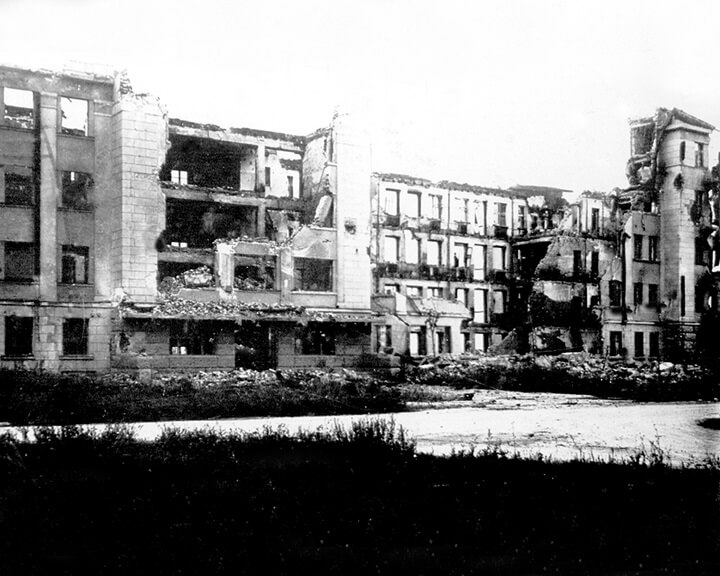
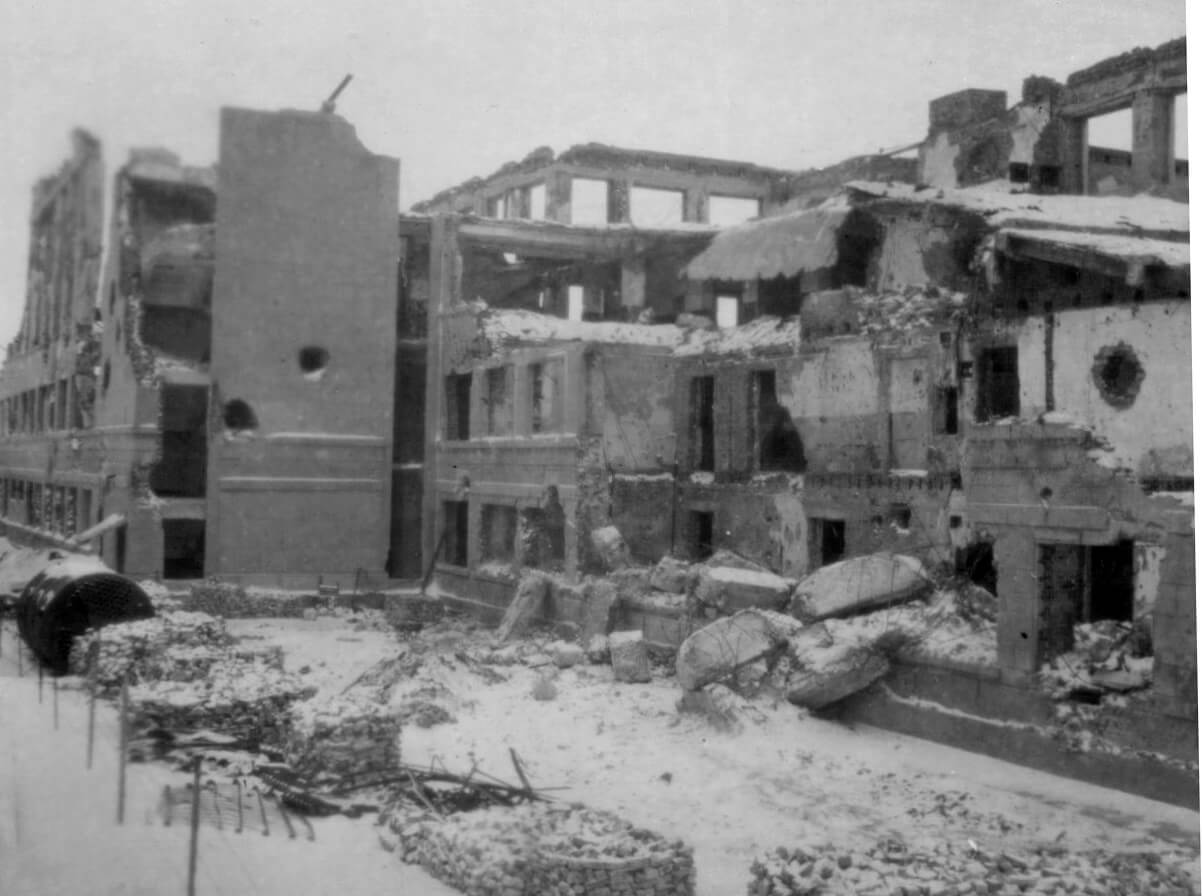
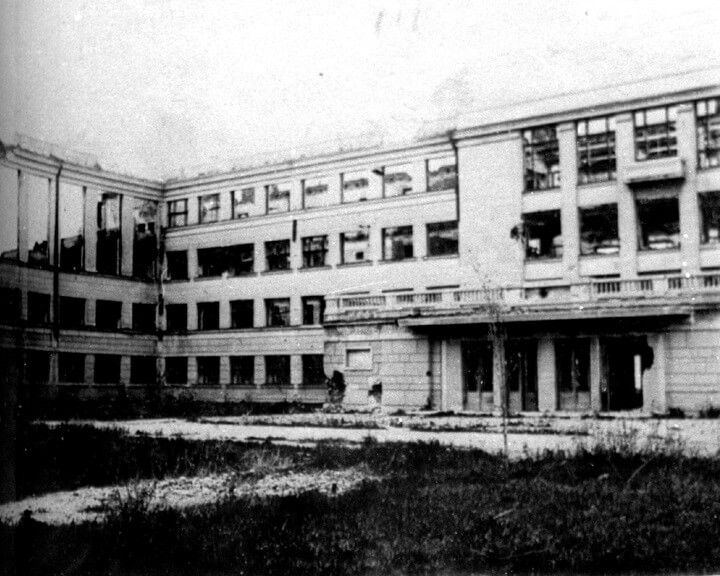
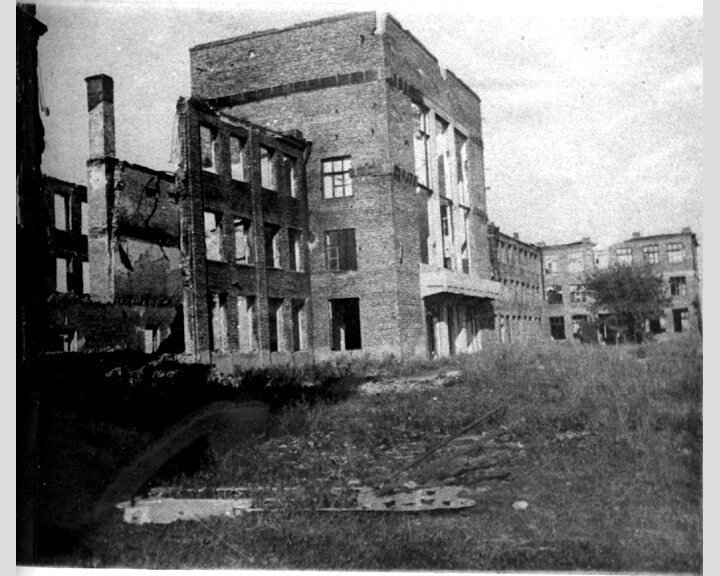
In 1944, immediately after the liberation of Kharkiv, the institute’s staff returned to their native city, but only ruins remained of the KhAI buildings.
The restoration of the destroyed KhAI buildings took almost eight years. At the same time, the educational process was improved, new departments were established, and the scientific research program was expanded.

At the end of the 1940s, the first experiments in explosive stamping of parts were carried out. This area of research - impulse technologies - continues to exist today and has expanded significantlyя.
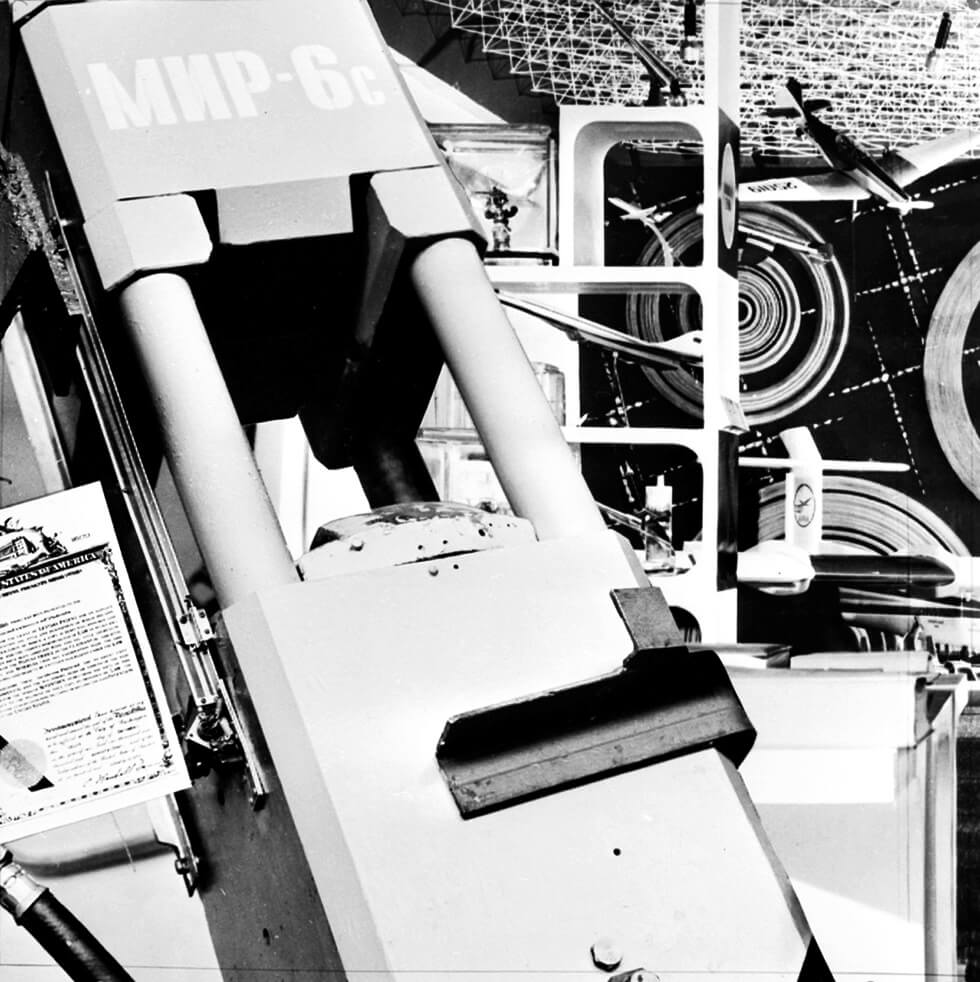

Thus, in 1970, for the first time in the practice of higher education institutions in the country, a Western company purchased a license from a domestic institute. The well-known German company Demag acquired a license for impulse metal cutting (Department of Aircraft Manufacturing Technology, KhAI (104)).
In the early post-war years, the Kharkiv Aviation Institute began actively working on the development of rocket technologies. In 1948, the Department of Special Machines was established at KhAI, and the training of engineers in rocket-related fields began.
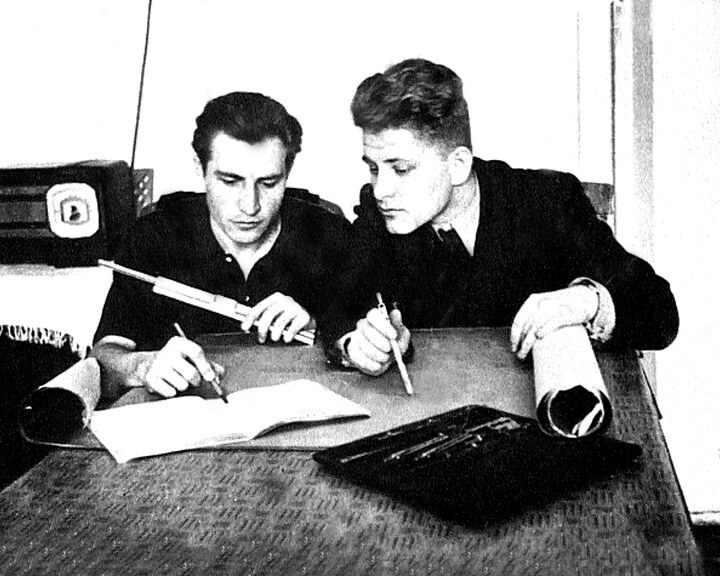
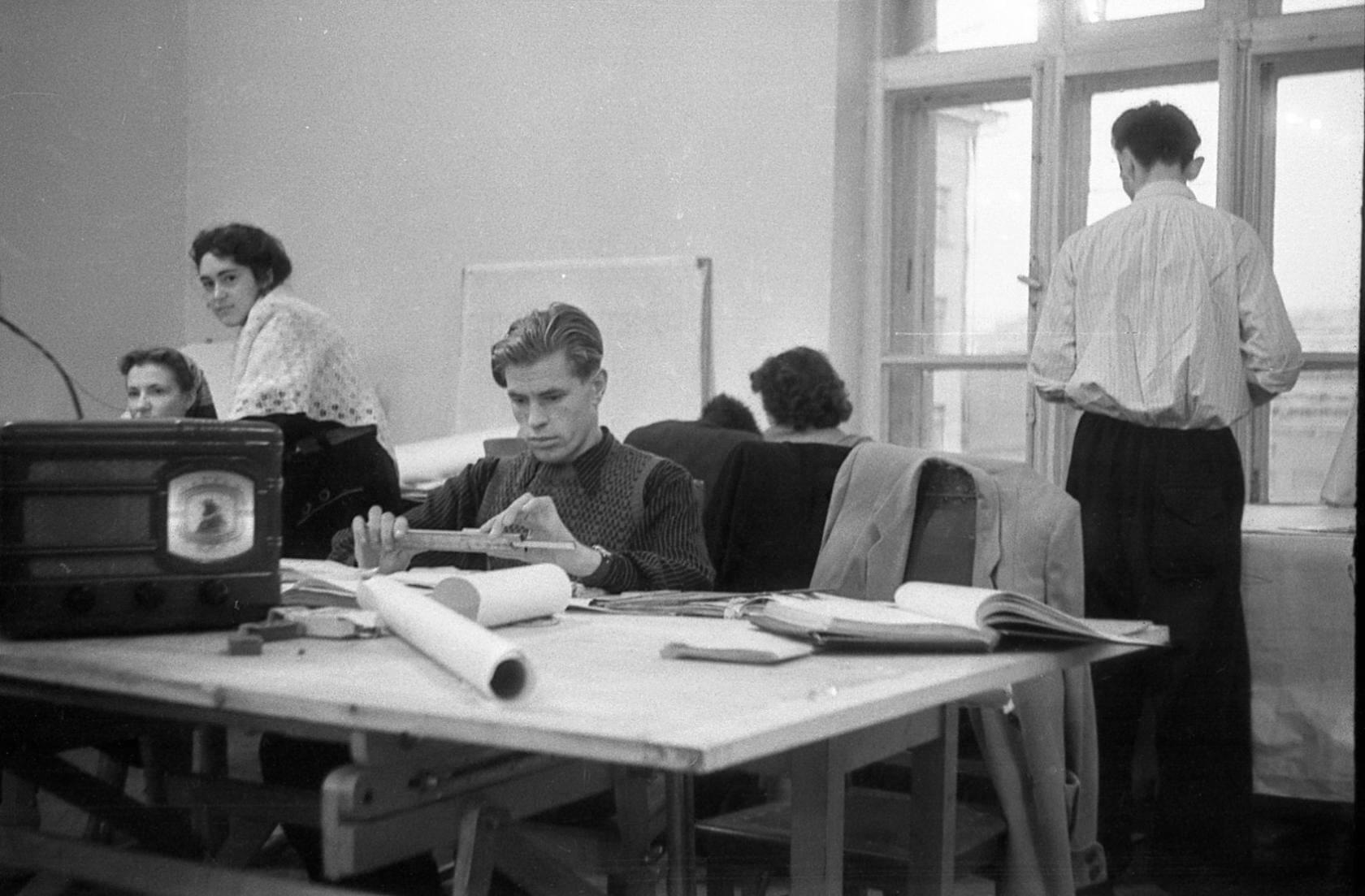
In 1950, the KhAI Aeromodeling Laboratory was established - a true forge for aviation engineers. Over the years, hundreds of KhAI students and faculty have trained there, many of whom went on to become national and world champions in aeromodeling.
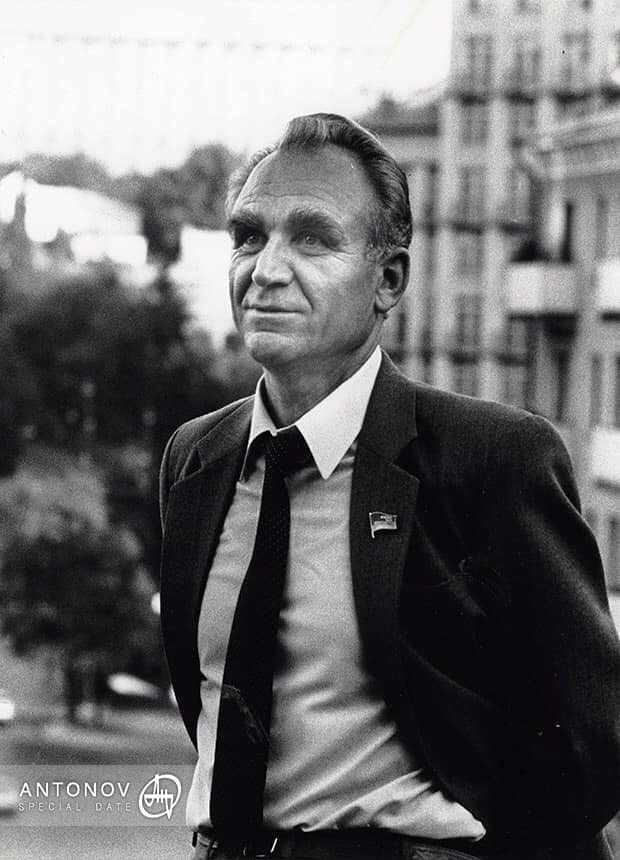
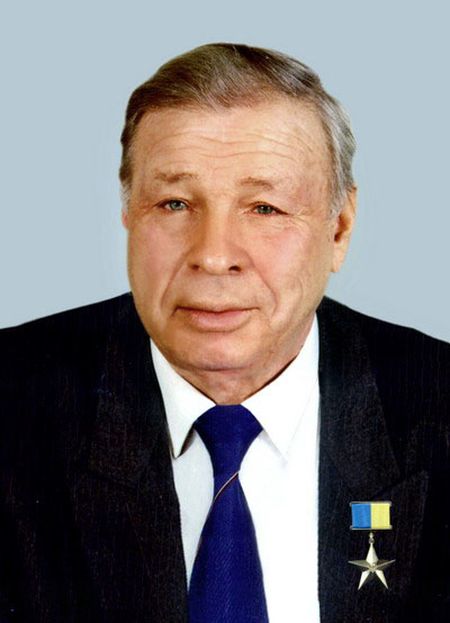
During this period, KhAI developed actively: the number of students and graduates was growing. In 1954, the Aircraft Construction Faculty graduated Petro Balabuyev - the future chief designer of the An-124 Ruslan and An-225 Mriya aircraft - while the Engine-Building Faculty graduated Fedir Muravchenko, the future chief designer of aircraft engines, whose engines would lift these planes into the sky.
In 1959, the institute established the Faculty of Avionics Systems - today known as the Faculty of Radioelectronics, Computer Systems, and Infocommunications.
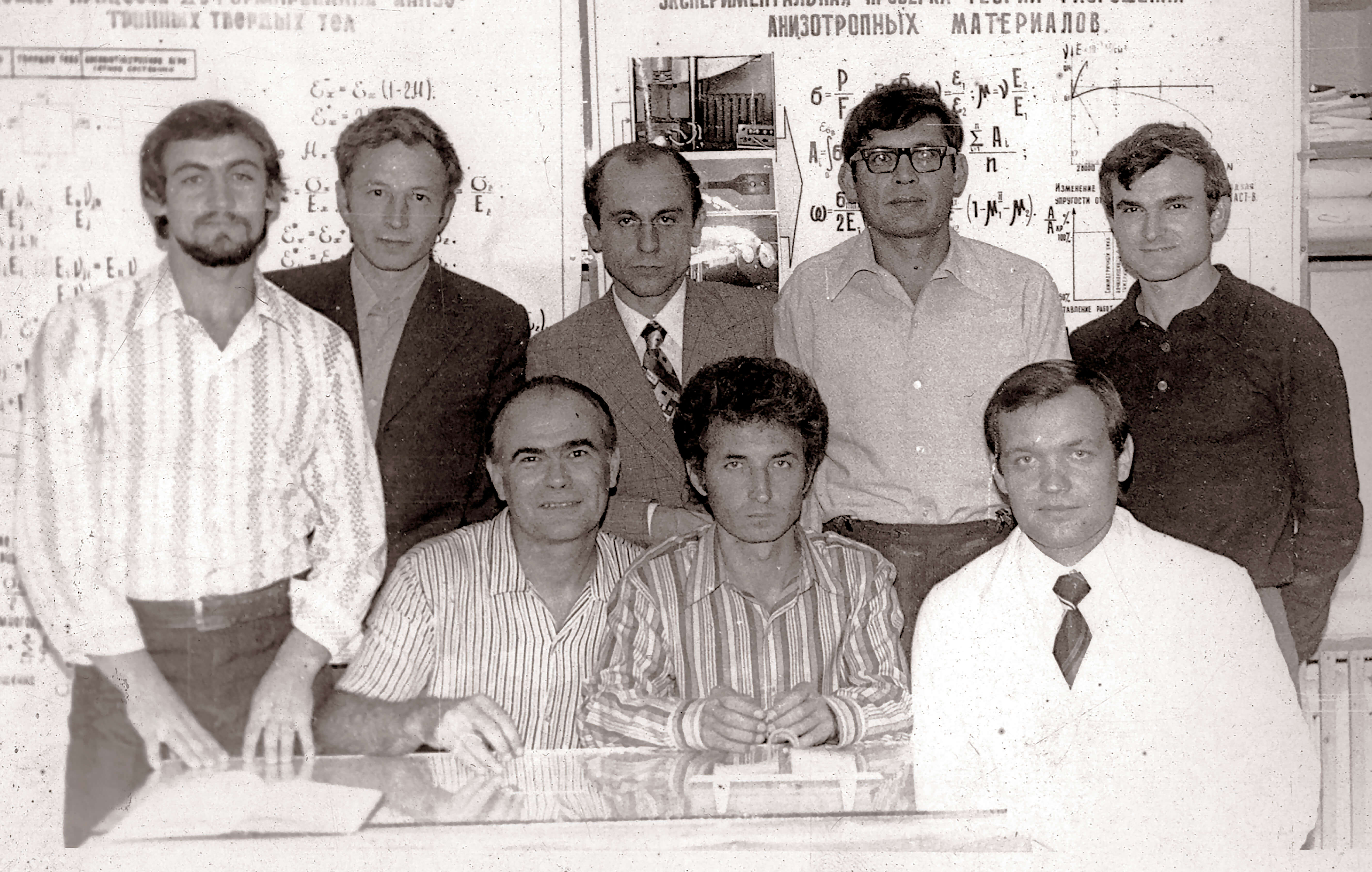
In 1963, the legendary Student Design Bureau (SKB KhAI) was established.
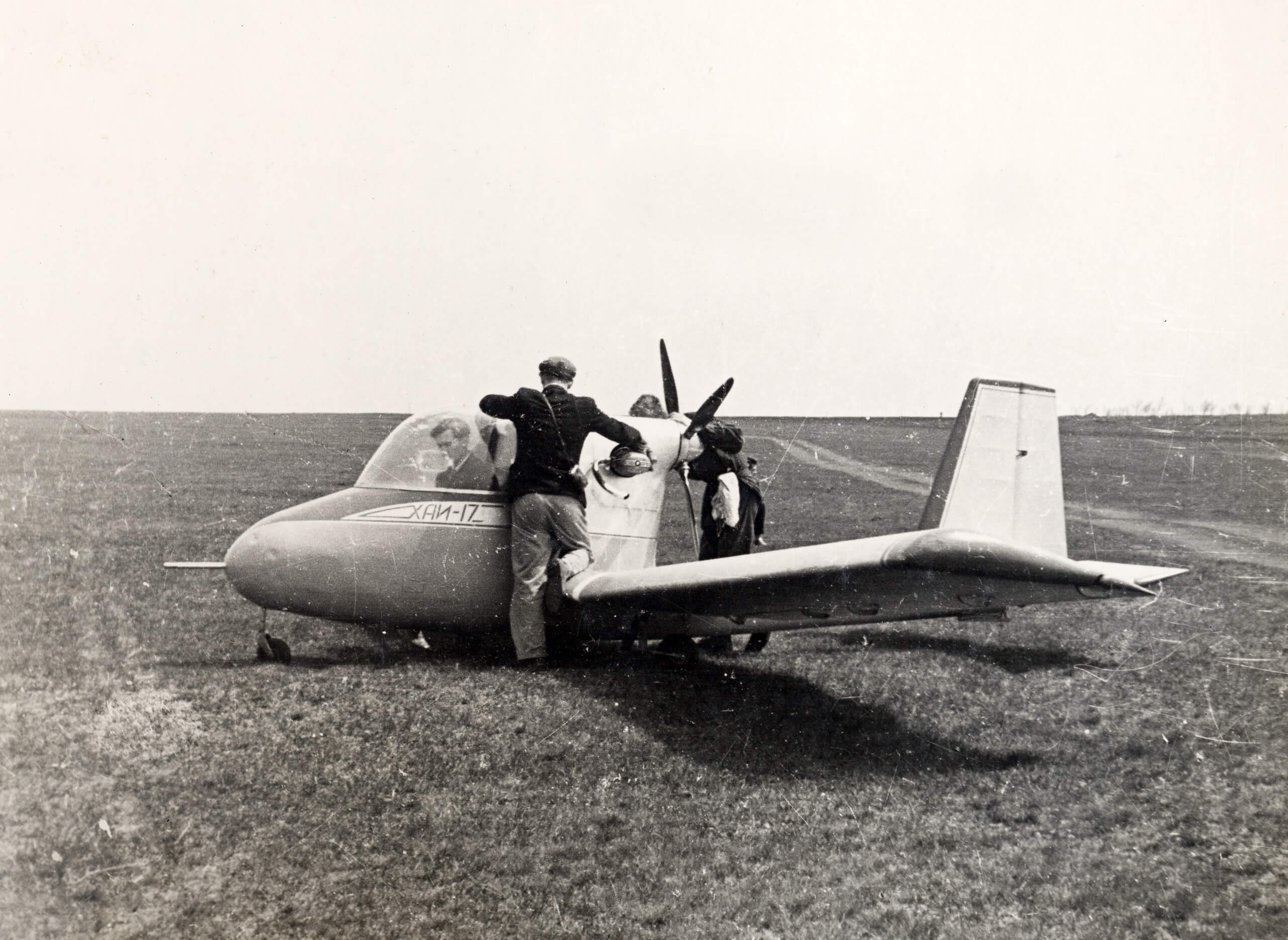
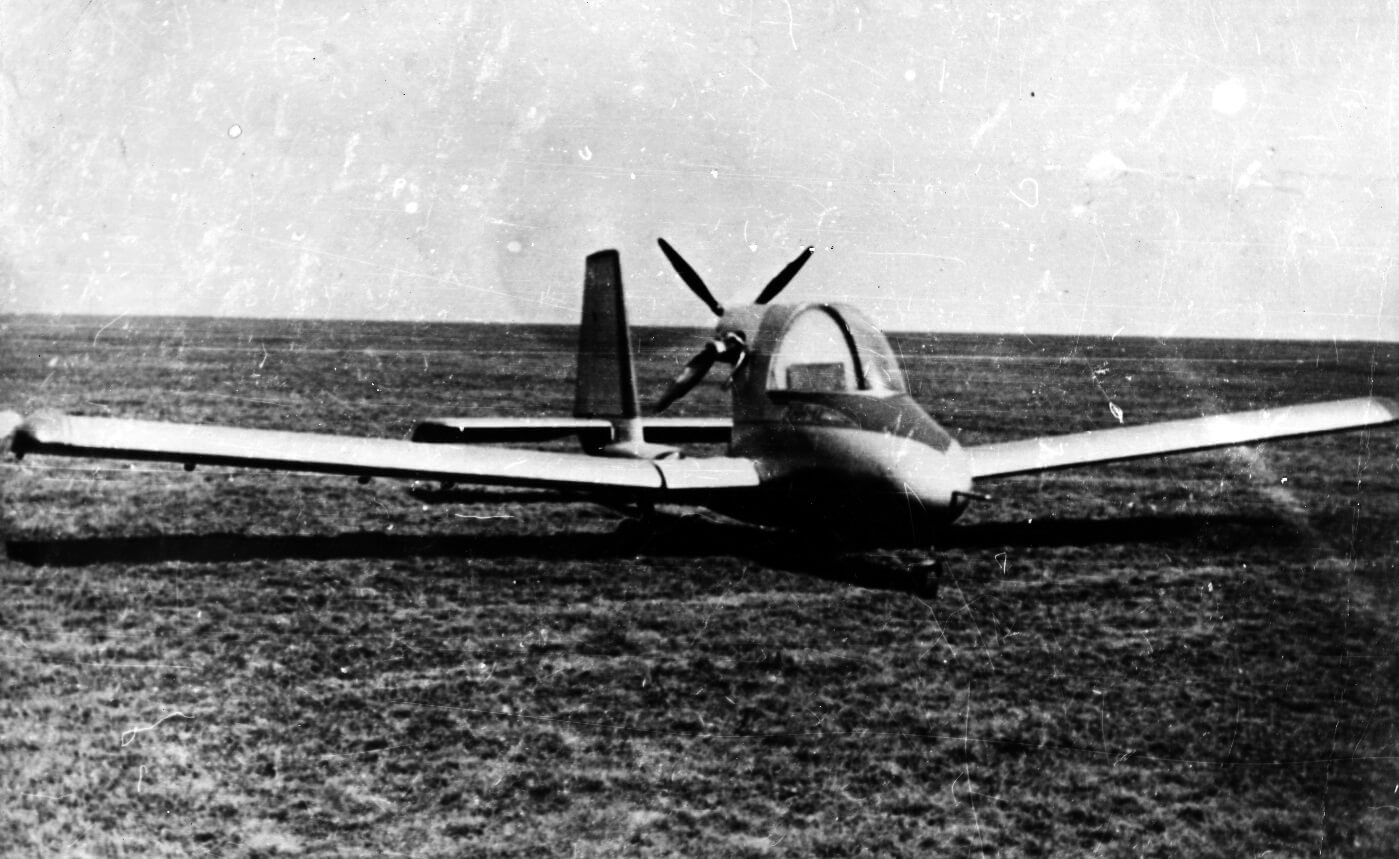
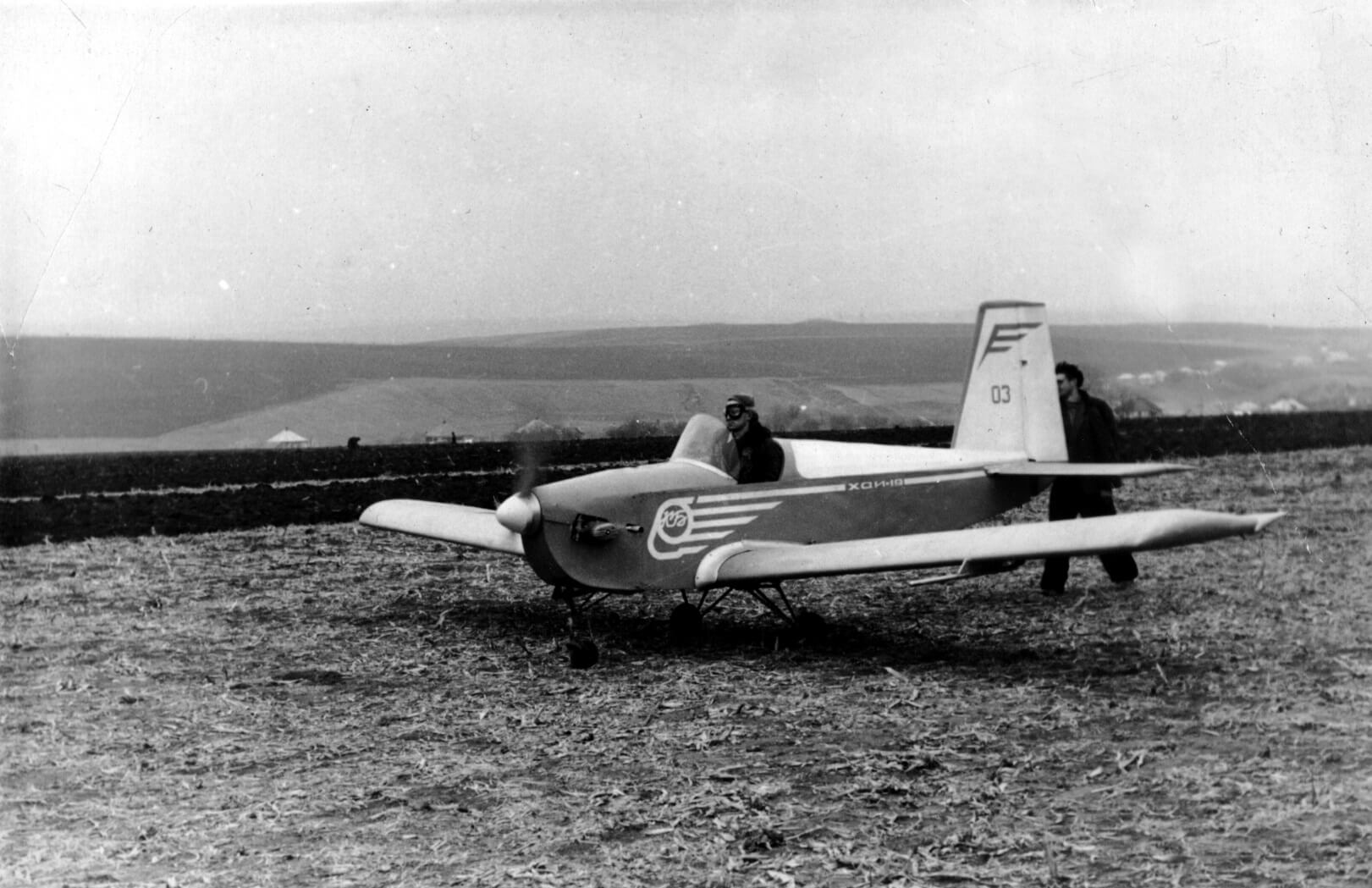
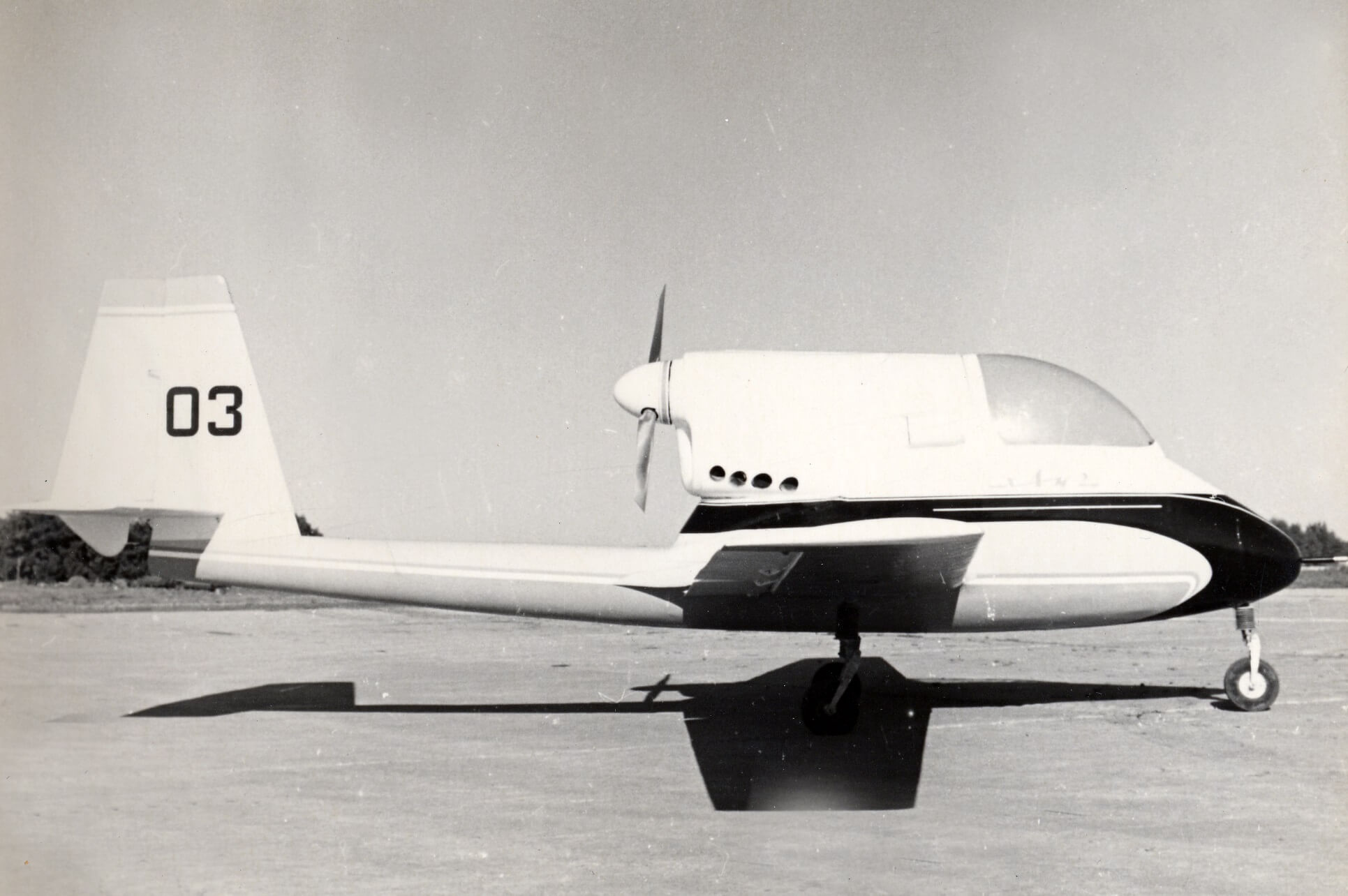
In the 1960s, 70s, and 80s, masterpieces of light aircraft were created here - the KhAI-17, KhAI-18, KhAI-19, and KhAI-20 planes - which won several medals at international aviation exhibitions.
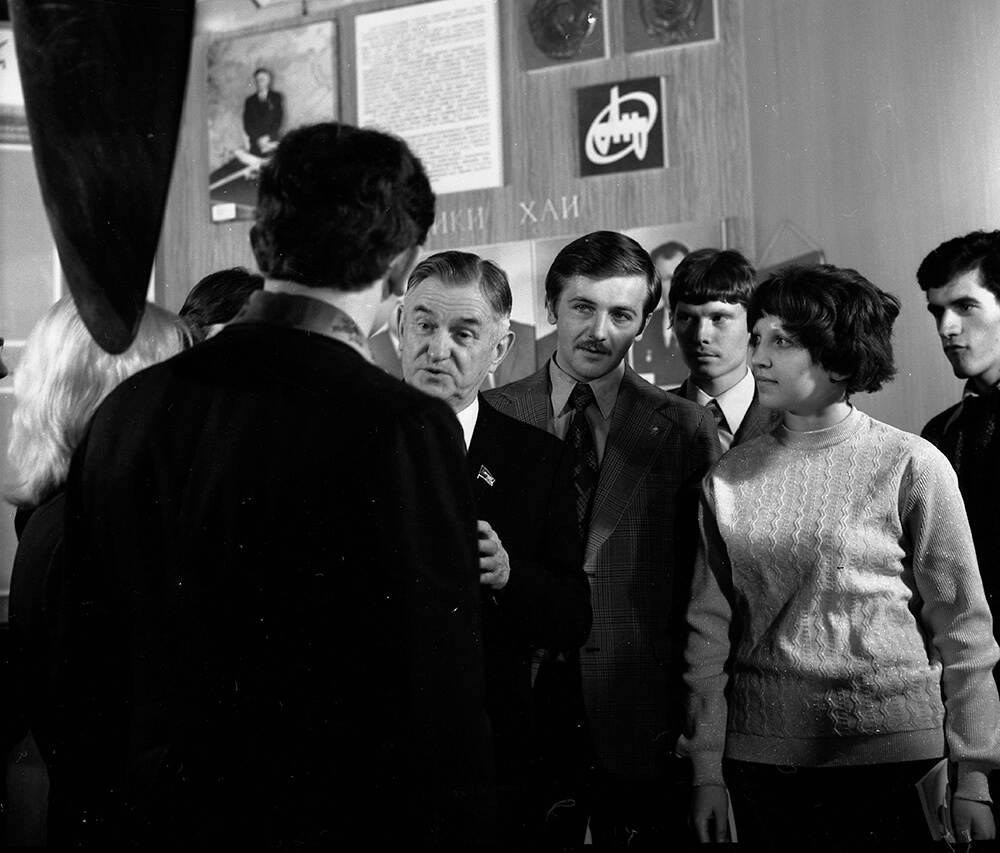
In 1977, the Department of Aircraft Design (103) was headed by Chief Designer Oleg Antonov, who had for many years collaborated closely with KhAI and highly valued the institute’s specialists and graduates. Oleg Kostyantynovych held this position until his death in 1984.
It was on his initiative that, back in 1956, the history of creating KhAI’s unique aerodynamic complex began. Oleg Antonov wrote: "I consider it appropriate and necessary to construct the T-4 and T-6 wind tunnels at the Kharkiv Aviation Institute. The presence of operational wind tunnels at the Aviation Institute will allow our Design Bureau, together with the institute, to carry out a number of urgent scientific and applied projects aimed at improving aviation technology."
In 1961, the design and construction of the aerodynamic complex began, which included the T-6 wind tunnel with a working Mach number range from 0.6 to 3.6, as well as compressor and cylinder stations with a power of 5,000 kW, cylinder volume of 4,300 m³, and a pressure of 8 atm.
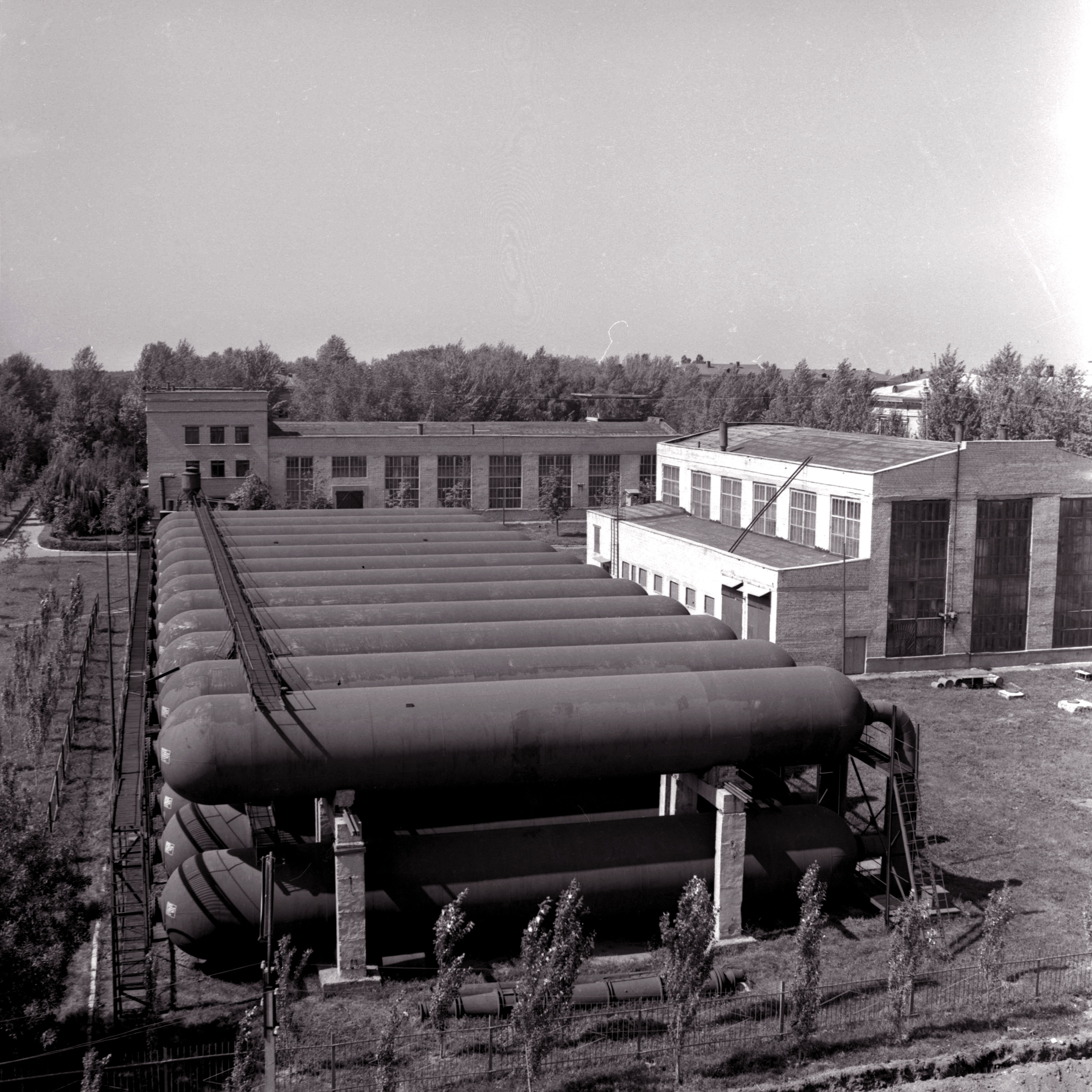
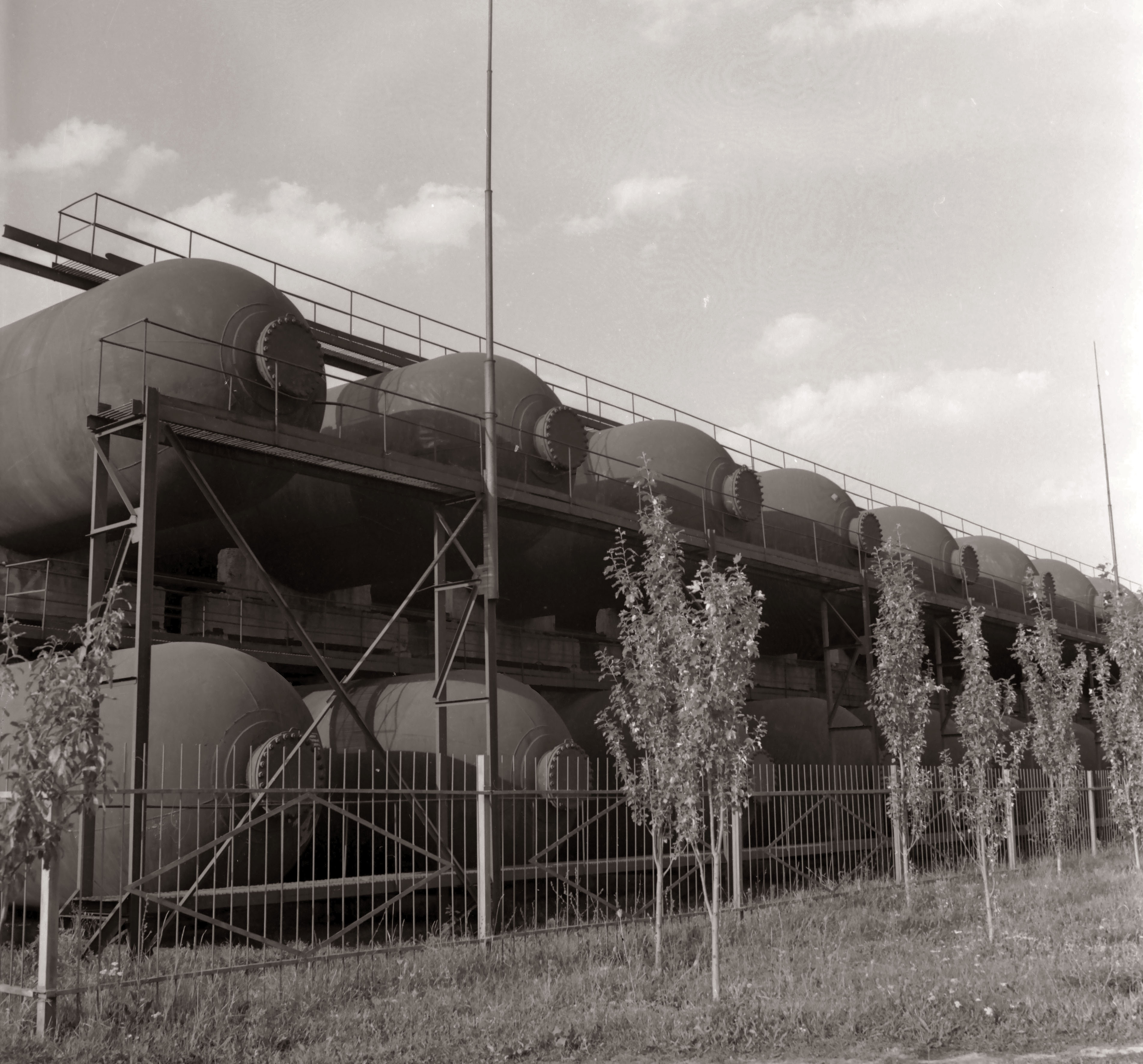
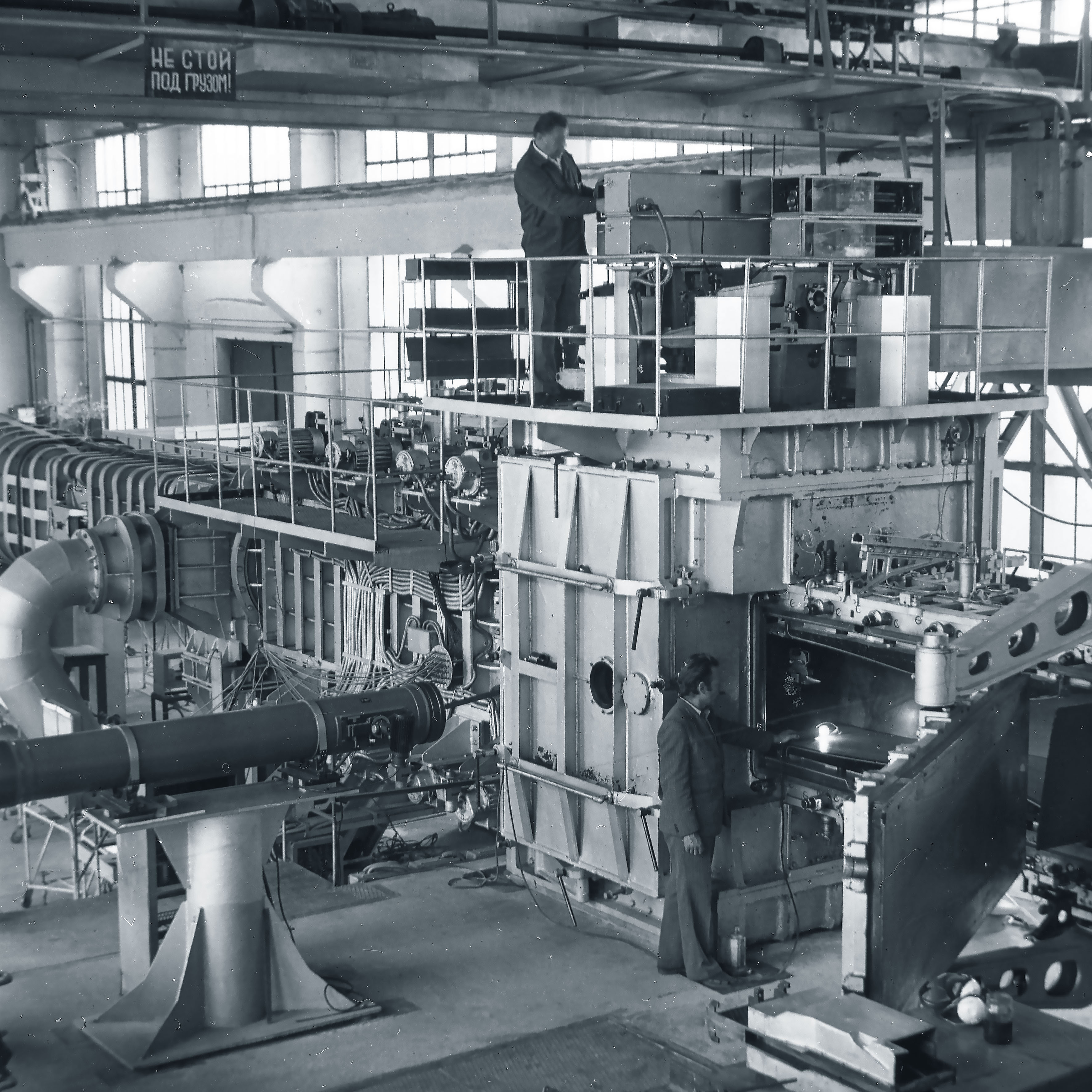
In 1976, the aerodynamic complex was officially put into operation. In terms of its capabilities, KhAI’s aerodynamic complex, based on the T-6 supersonic wind tunnel, is unique and the only one of its kind in the country.
In 1999, it was granted the status of a National Heritage of Ukraine.
In accordance with the demands of the time, KhAI’s areas of specialization were constantly expanding: the Faculty of Aircraft Control Systems (today - the Faculty of Intelligent Control Systems) was established in 1977, and the Faculty of Aircraft (today - the Faculty of Rocket and Space Technology) was established in 1980.
In 1989, based on the Research Laboratory of Large-Scale Remotely Controlled Flying Models, the Research Institute for the Problems of Physical Modeling of Flight Regimes (RIPM KhAI) was established, which today holds the status of a National Heritage of Ukraine.
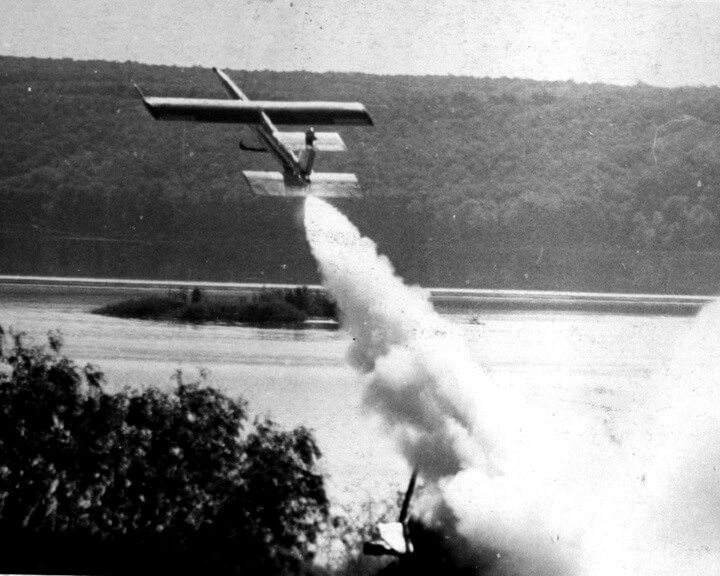
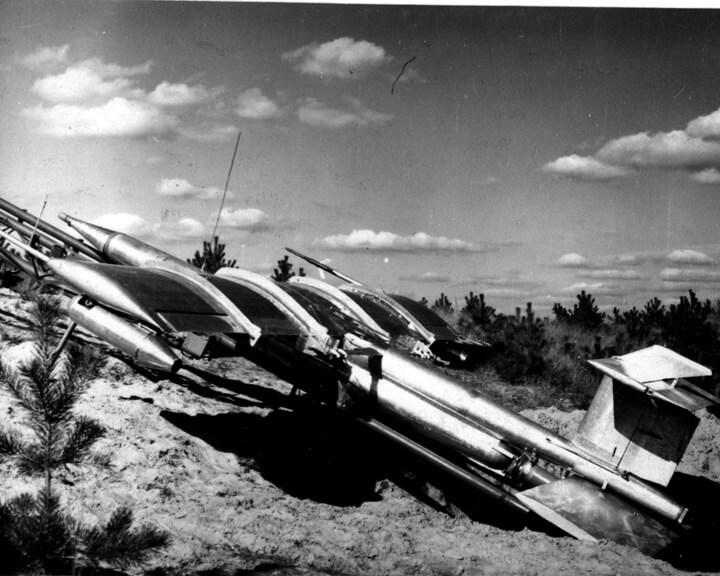
It was here that, for the first time in the country, studies of flight regimes were conducted on free-flying models of the Su-7, Su-7B, MiG-29, Su-27, An-124, and other aircraft. The institute’s specialists developed and launched dozens of different unmanned aerial vehicles, becoming pioneers in this field of aircraft design.
At the same time, KhAI’s infrastructure was developing: the construction of the wind tunnel complex with a supersonic tunnel was completed, new academic buildings and dormitories were erected, the KhAI student campus was established, along with a sports complex and a recreation center in Crimea.
With Ukraine’s independence in 1991, KhAI became the only higher education institution in the country to provide comprehensive training of specialists for the aviation and rocket-and-space industries. In the same year, in response to the demands of the time, a new faculty was established at KhAI - the Faculty of Computer Engineering and Business.
The curricula included the study of integrated software systems for automating the assembly of aviation and rocket-and-space objects - CAD/CAM/CAE.
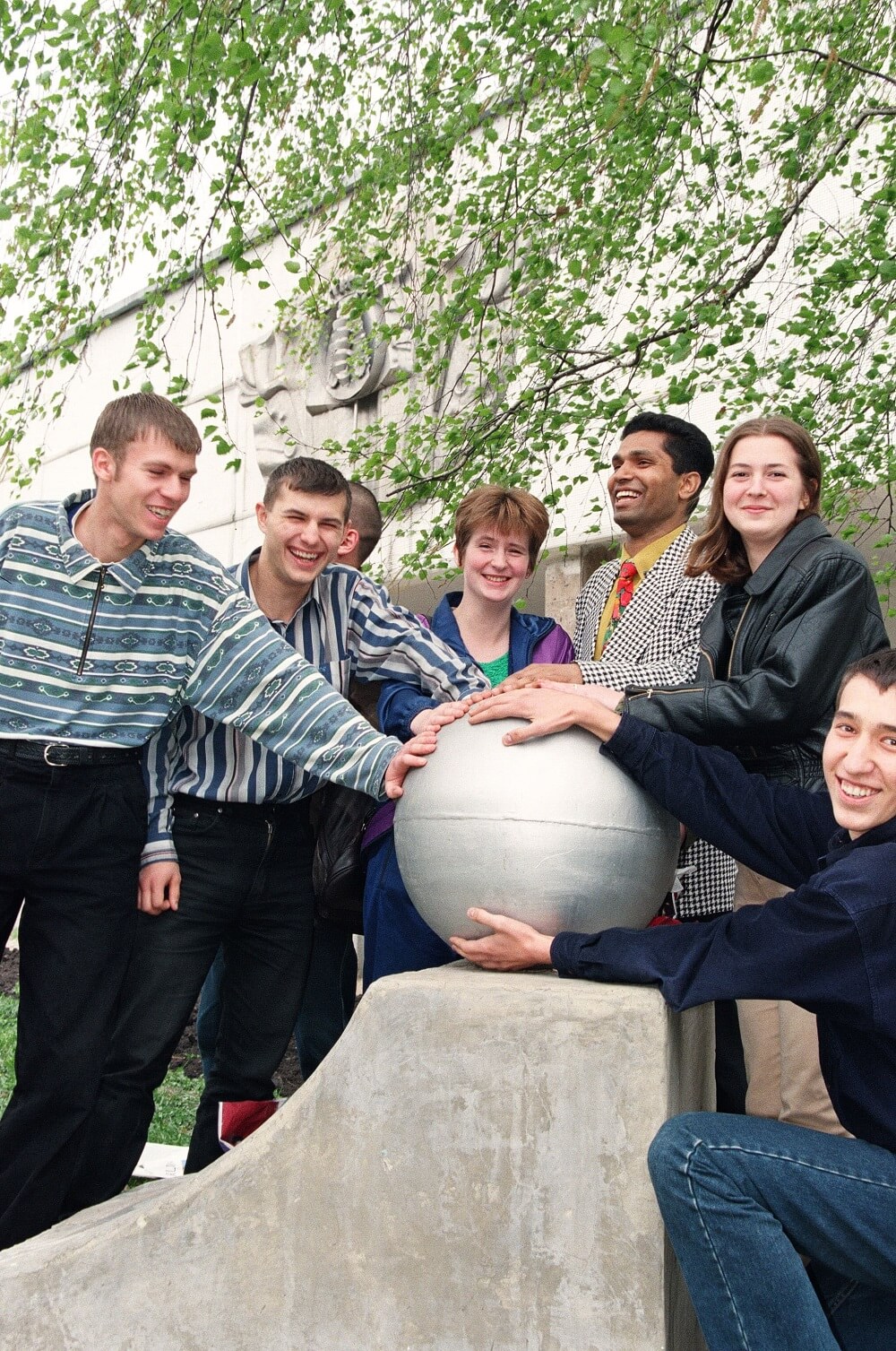
Since 1992, for the first time in KhAI’s history, foreign students began their studies. Today, there are thousands of graduates from 87 countries around the world..
In August 1998, the Kharkiv Aviation Institute was renamed the State Aerospace University “KhAI”, and on September 11, 2000, KhAI was granted National University status.
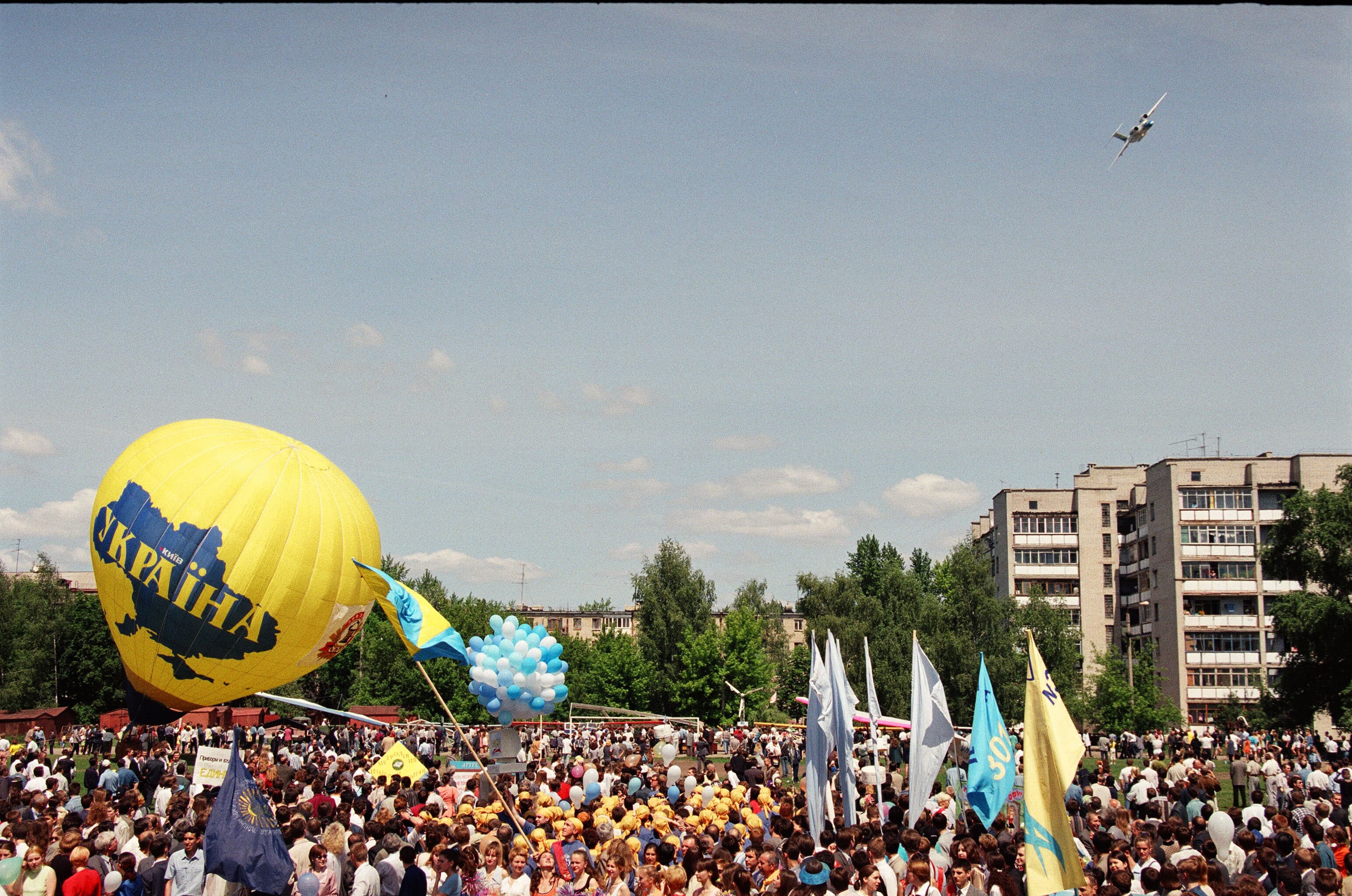
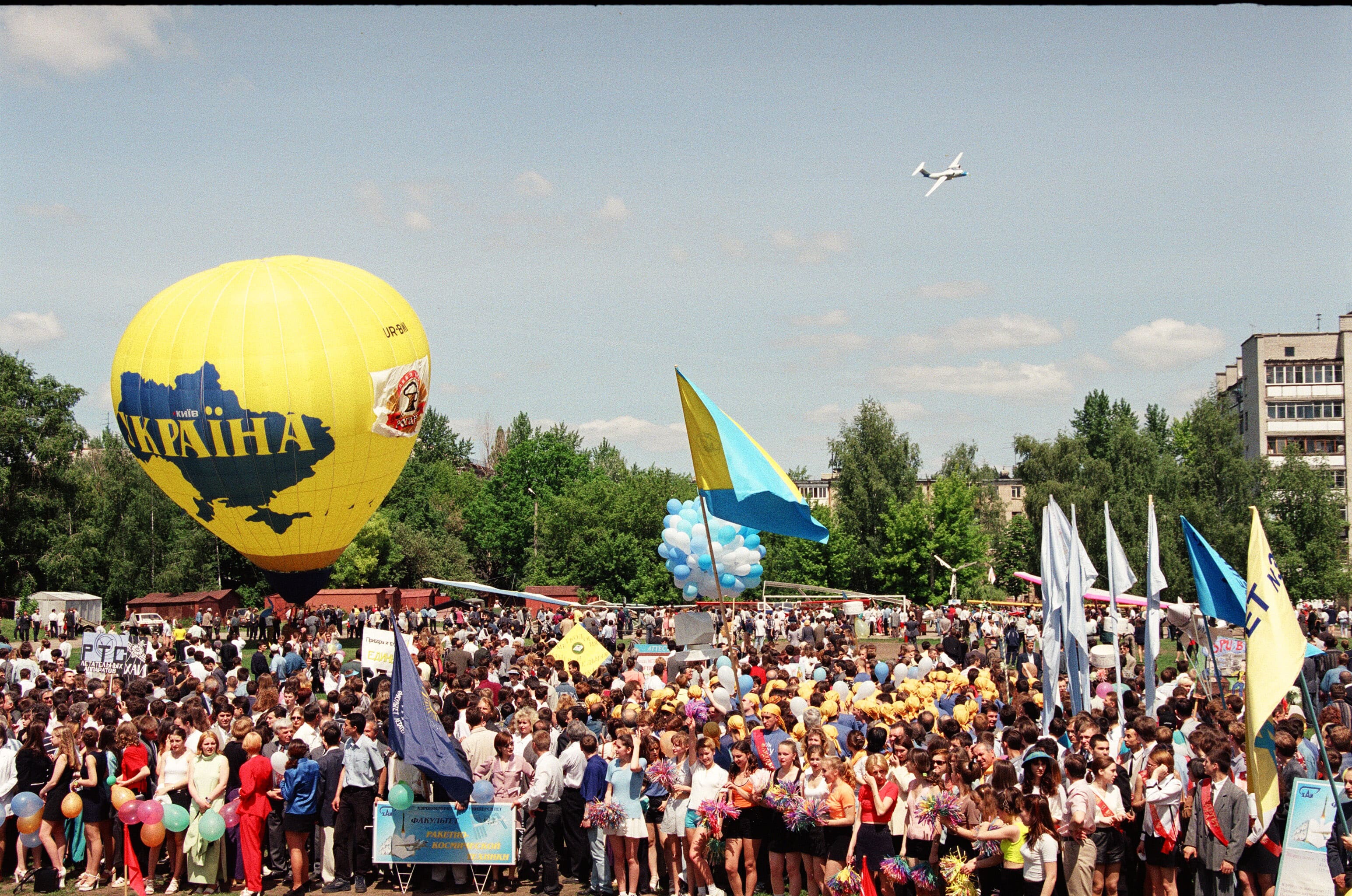
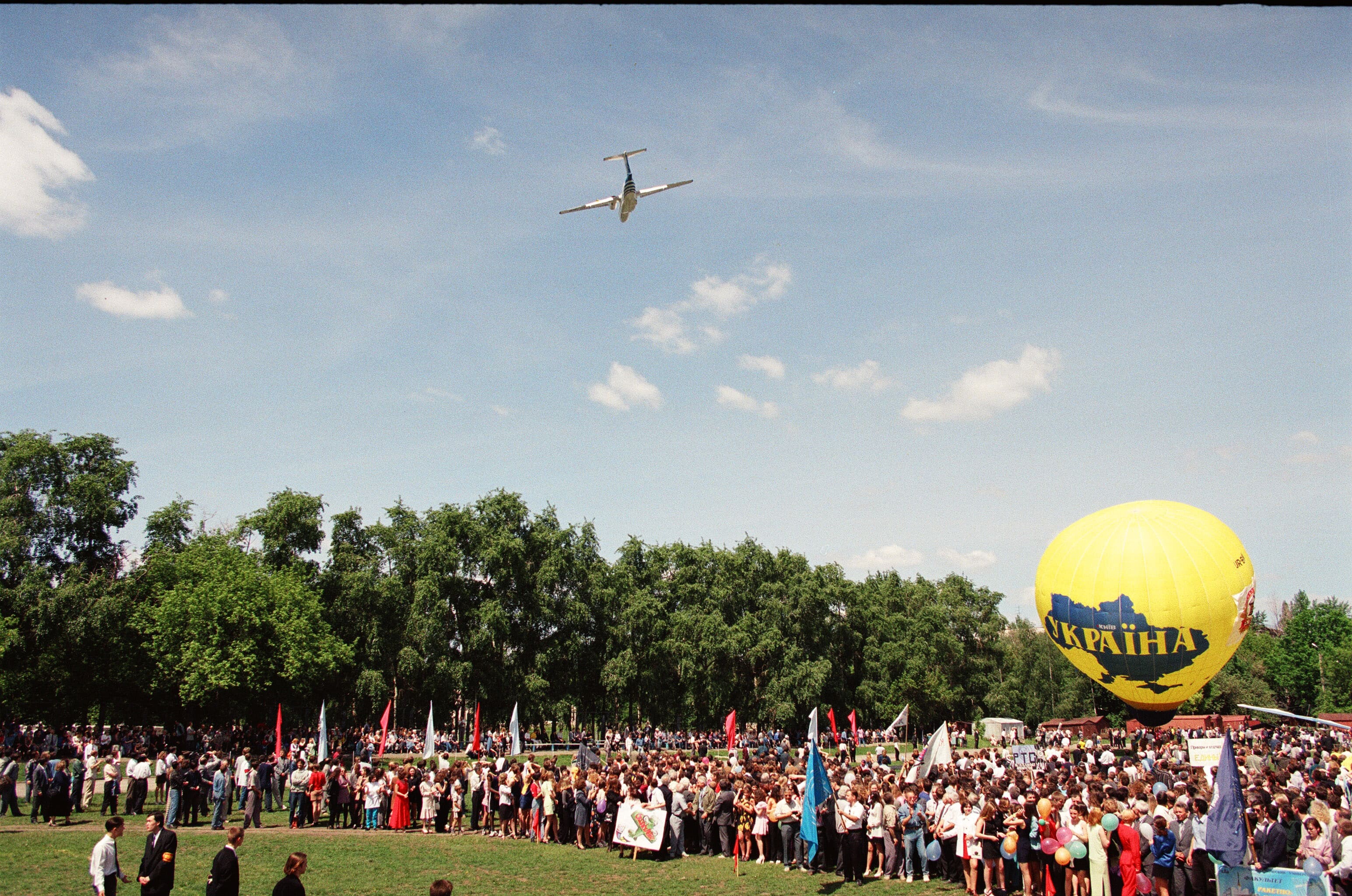
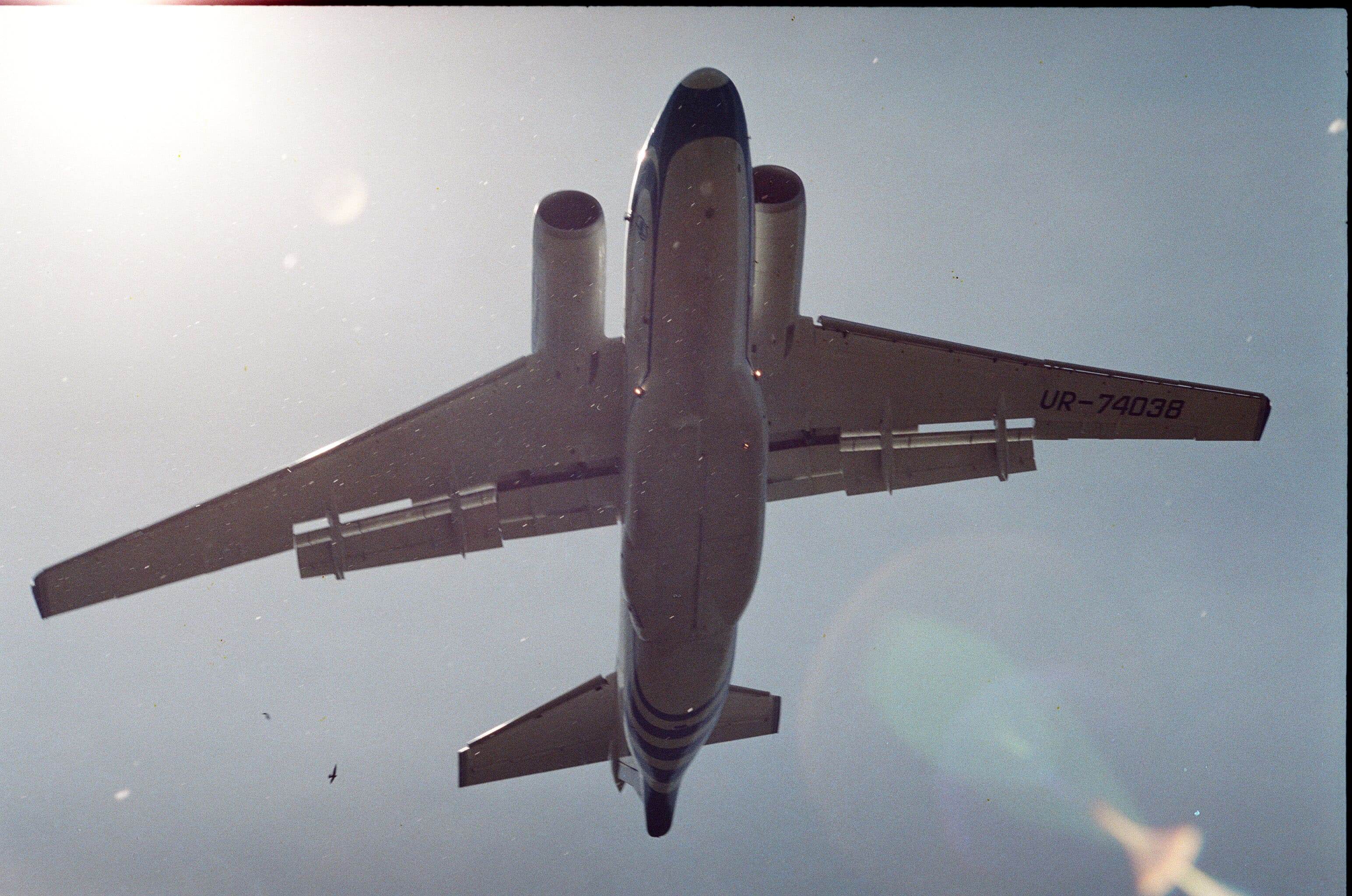
In 1998, a new university tradition was born - the annual KhAI Day. This celebration, year after year, gathered not only the KhAI community but also hundreds of alumni from different years from all over the world.
In 1999, the Faculty of Humanities and Law was established at KhAI.
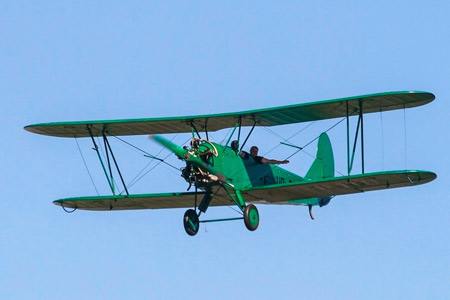
In 2002, newspapers across the country reported on the successful test flight of the unique Po-2 aircraft, reconstructed by the aviation and technical club “Zlit–KhAI.” The aircraft was assembled entirely from authentic parts and materials with the participation of KhAI staff members, students, faculty, and alumni.

In the same year, KhAI became a co-executor of the international space program “Alpha,” a space mission of the European Space Agency (ESA).
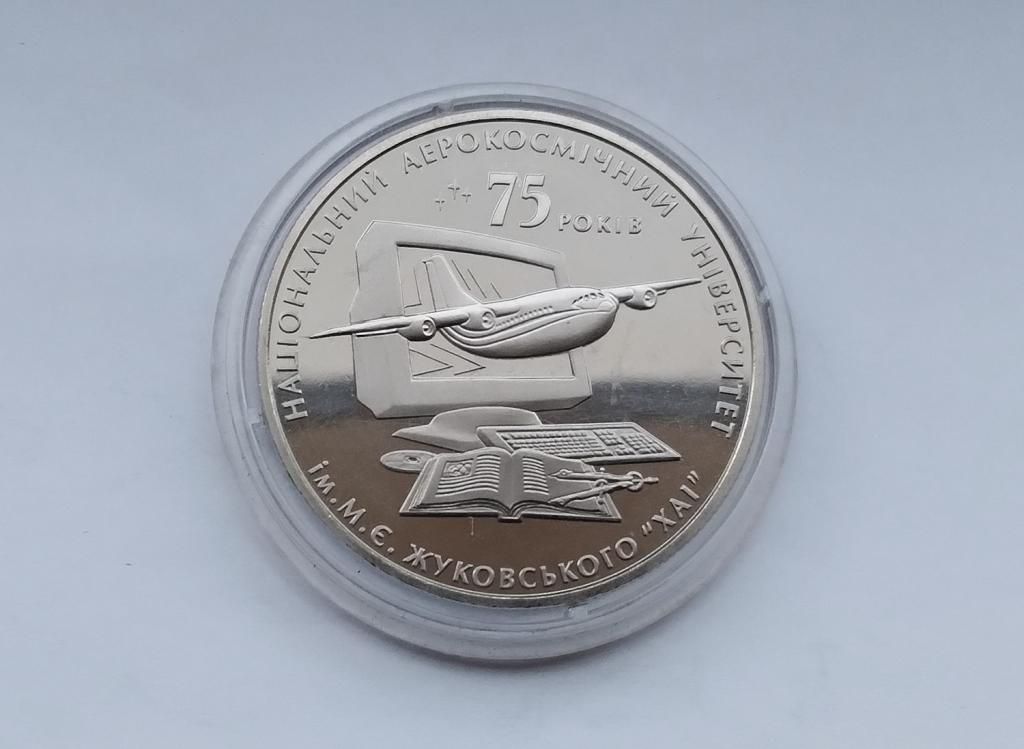
In 2005, the university solemnly celebrated its 75th anniversary. A true record was set in terms of the number of guests, alumni, and congratulatory messages from international partners.
In 2013–2014, students, faculty, and staff of KhAI took part in the Revolution of Dignity: they joined the Kharkiv Maidan and traveled to Kyiv to support the protesters. Among them was Andrii Sviashchuk, an associate professor of the Department of Philosophy, who after the Maidan became a volunteer and, in 2022, went to the front as a volunteer soldier. Andrii Sviashchuk gave his life for the freedom of Ukraine in March 2024.
In April 2014, after the outbreak of the invasion in Donbas, students, faculty, and alumni of KhAI took up arms to defend the country. In combat, they helped liberate cities and endured the hell of Ilovaisk.
Anatolii Dotsenko, a 2004 graduate of KhAI’s Faculty of Rocket and Space Technology, was among the fighters whom the enemy dubbed the “cyborgs.” He defended Donetsk Airport until his last day and was killed on the day the passenger terminal—the final stronghold of the defenders’ resistance—was blown up.
Dmytro Shkarbun, a pilot of a transport aircraft of the 456th Transport Aviation Brigade and a 2005 graduate, on July 14, 2014, diverted a burning aircraft that had been shot down by the enemy away from a populated area and was killed, saving the lives of dozens of people.
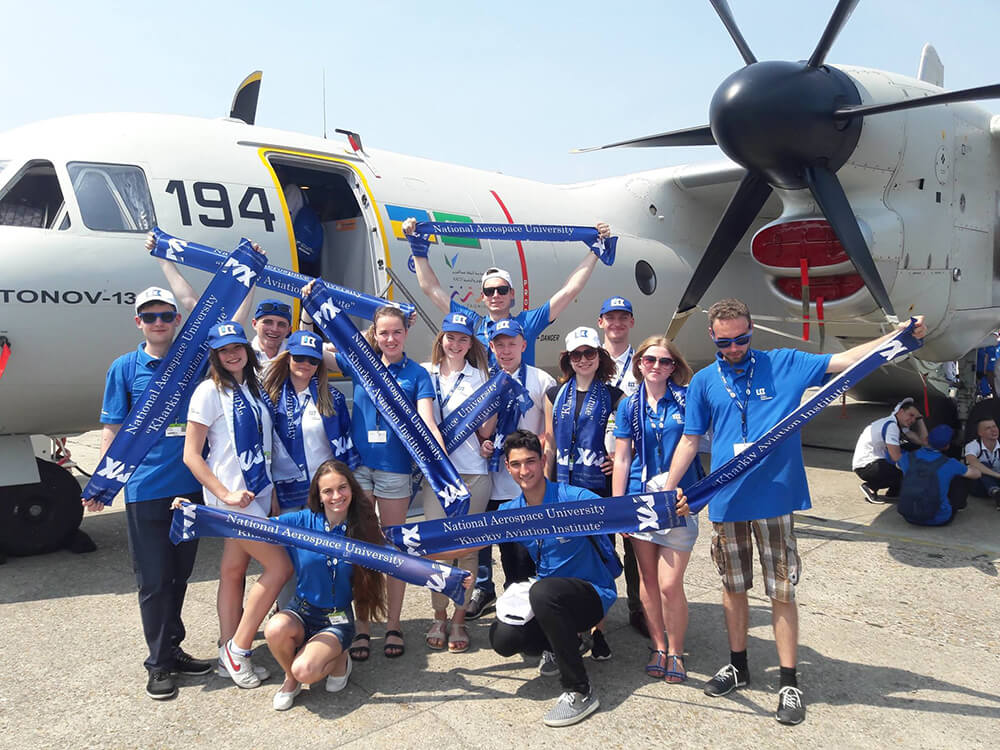
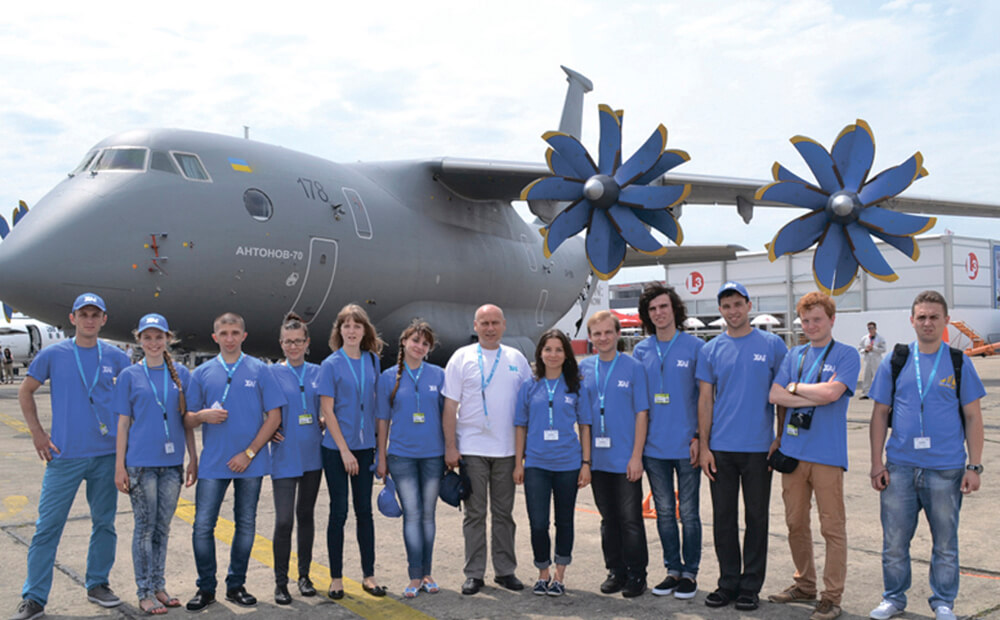
Since 2012, KhAI students have taken part annually in the “Aviator” competition. This has become a new university tradition: for nearly 10 consecutive years, 25 of the best student winners traveled each summer to the world’s leading air shows at Farnborough and Le Bourget.


However, KhAI not only provided education but was also actively engaged in scientific research and the implementation of innovative developments in the aerospace sector. In 2021, technologies developed by KhAI’s Department of Aerospace Thermal Engineering were launched into space aboard the French Ariane 5 launch vehicle together with the SES-17 and SYRACUSE 4A spacecraft. They continue to operate successfully in orbit to this day.
February 24, 2022. The full-scale invasion by the occupying country began. KhAI found itself on the front line of the defense of its native city, becoming a refuge for hundreds of students and university staff, as well as residents of nearby neighborhoods who lived for several months in KhAI’s shelters.
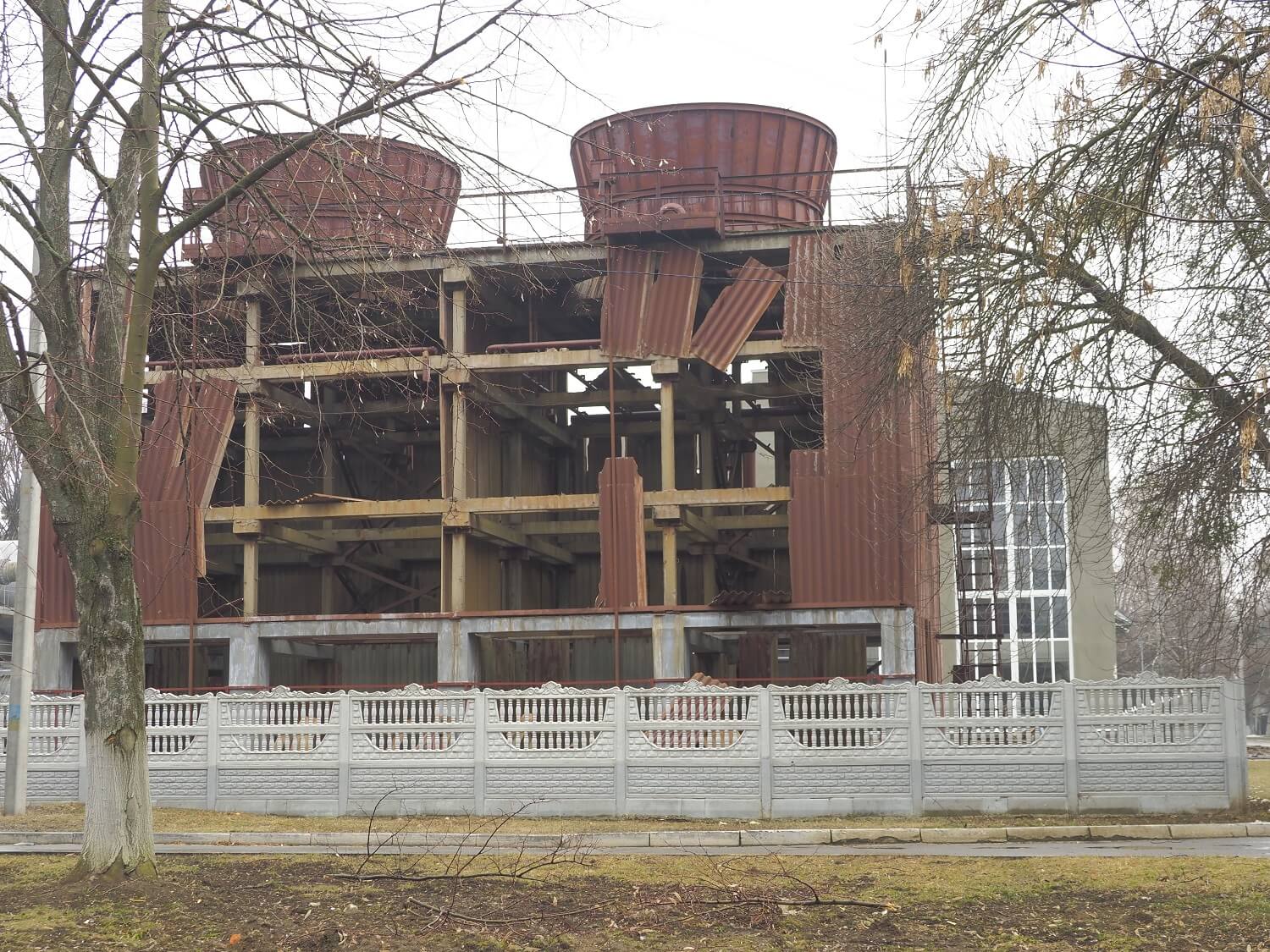


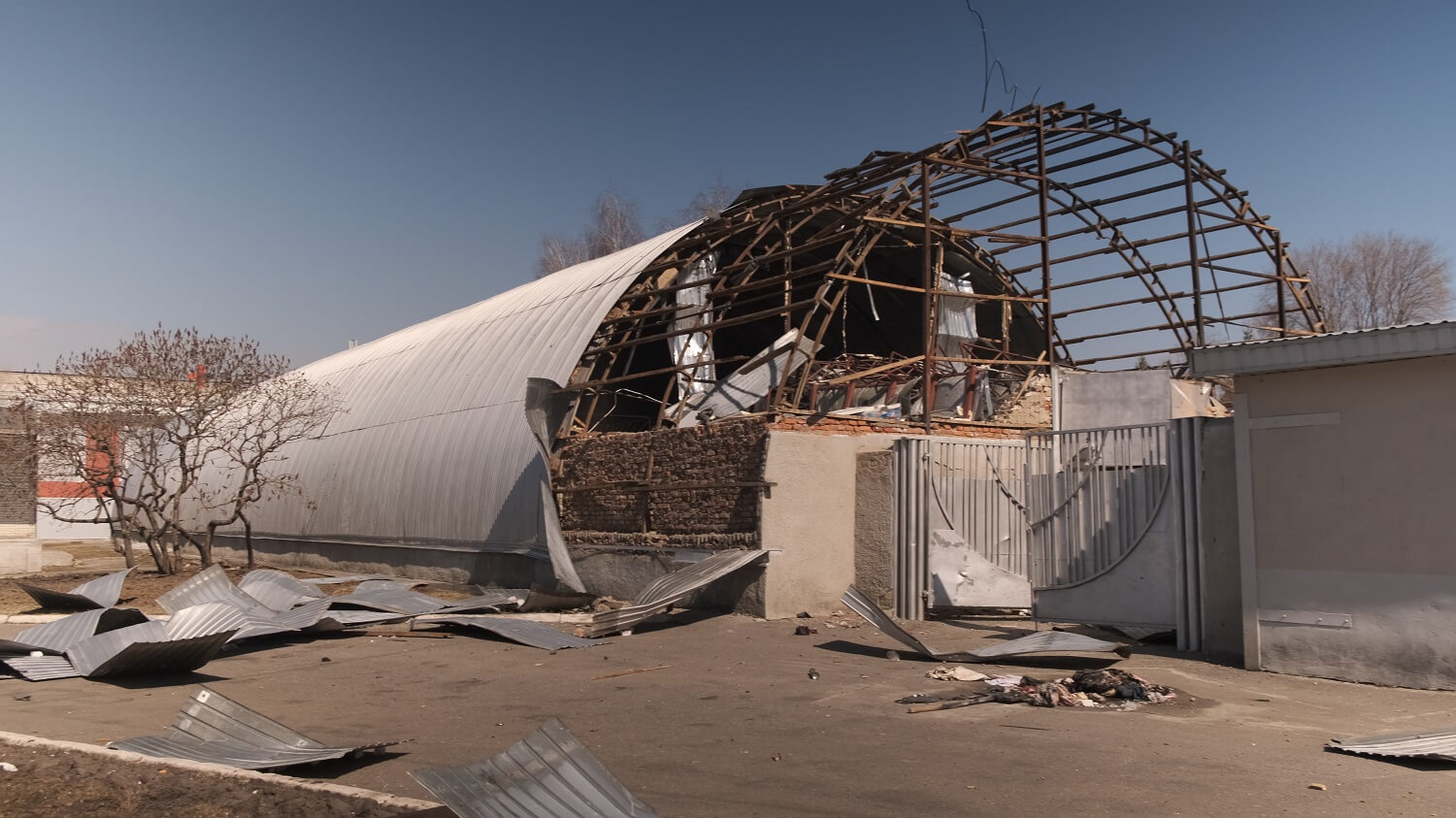
In just the spring and summer of 2022, the university’s territory and buildings were hit nearly 200 times by various types of munitions. Unfortunately, among KhAI’s staff, there were both wounded and fatalities.
From the very first day of the invasion, dozens of students, faculty, and staff voluntarily took up arms to defend the country. The memory of those taken by the war, of those who fell for Ukraine’s freedom, is forever engraved in the memorial in front of the university’s Main Gate—a sacred place for everyone whose heart beats with the name KhAI. It was at this very place that, on April 28, 2022, during an enemy shelling, Andrii Viziriako, Head of the Department of Educational Technical Equipment, was killed.
April 2023. Behind the glass—30 names.
Our students, faculty, and alumni.
Those taken by the war.
Early May 2025… The number of names has already reached 61.
In January 2026… the mournful list has grown to 75.

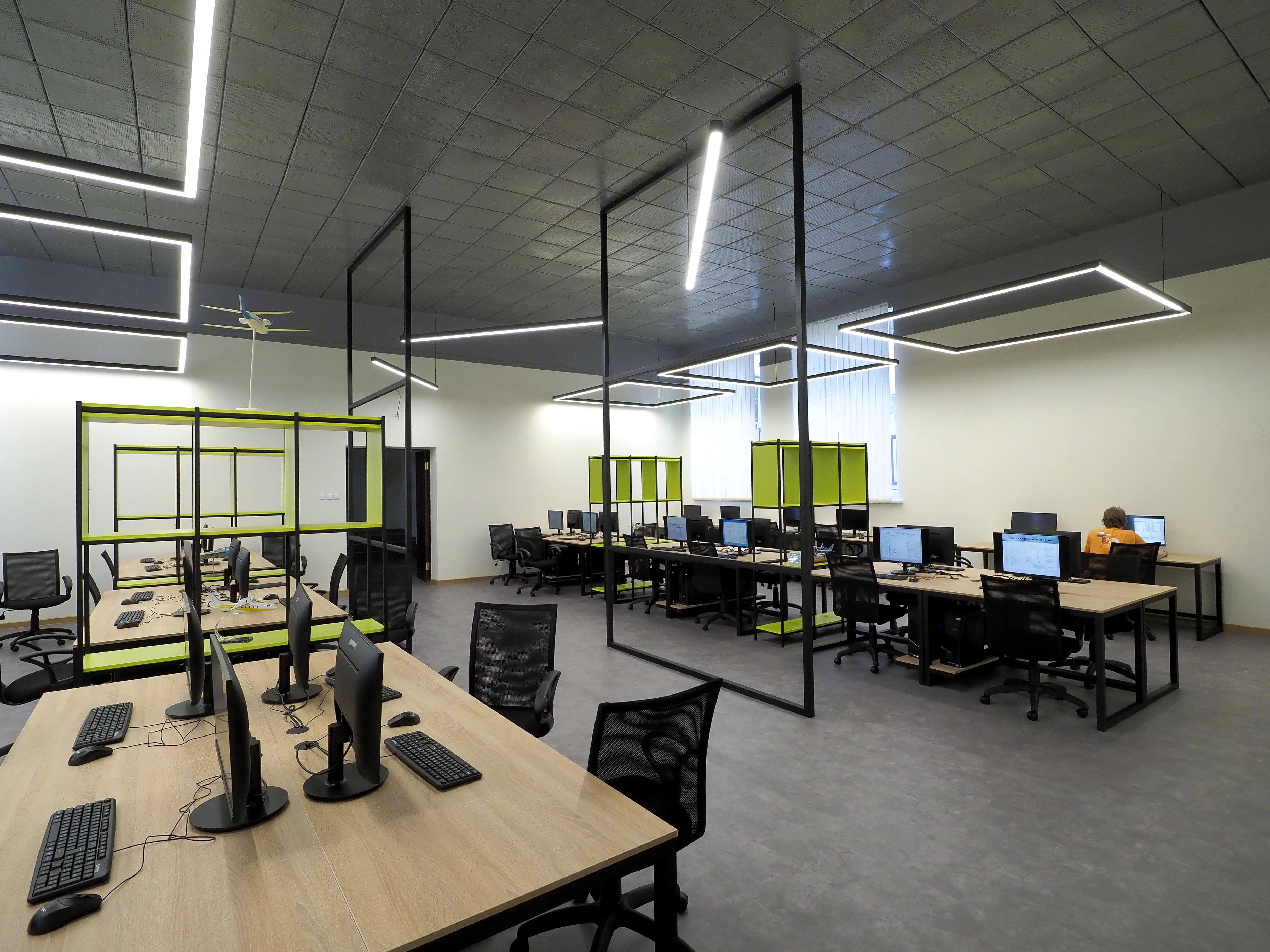


Despite the war and daily shelling, in the spring of 2023 KhAI opened a modernized CAD–CAM–CAE–PLM center.
At the same time, for the first time since the full-scale invasion, KhAI students and faculty gathered together and planted over 700 trees on the university campus and Student Town. “The trees sheltered us in 2022. We are paying our debt.”
Throughout all these years, the university has learned to live, teach, and work during the war -with nearly round-the-clock alerts, under shelling, and amidst attacks by enemy bombs, missiles, and drones.
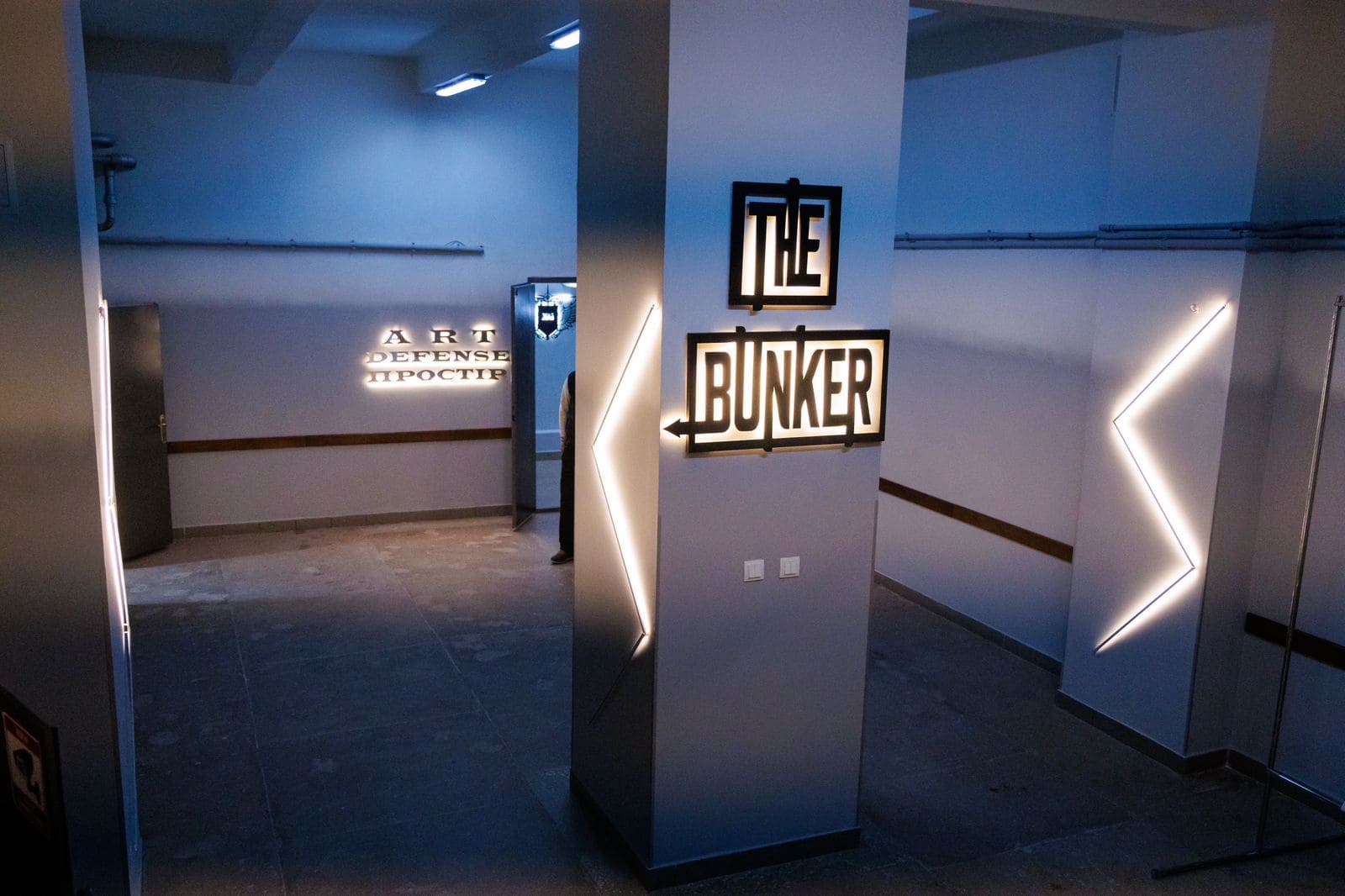

In 2024, implementing the concept of a protected university, the first phase of a modern, fully equipped safe space under the Main Building was opened. By May, the first exams were held there, and the long-awaited blended learning began.
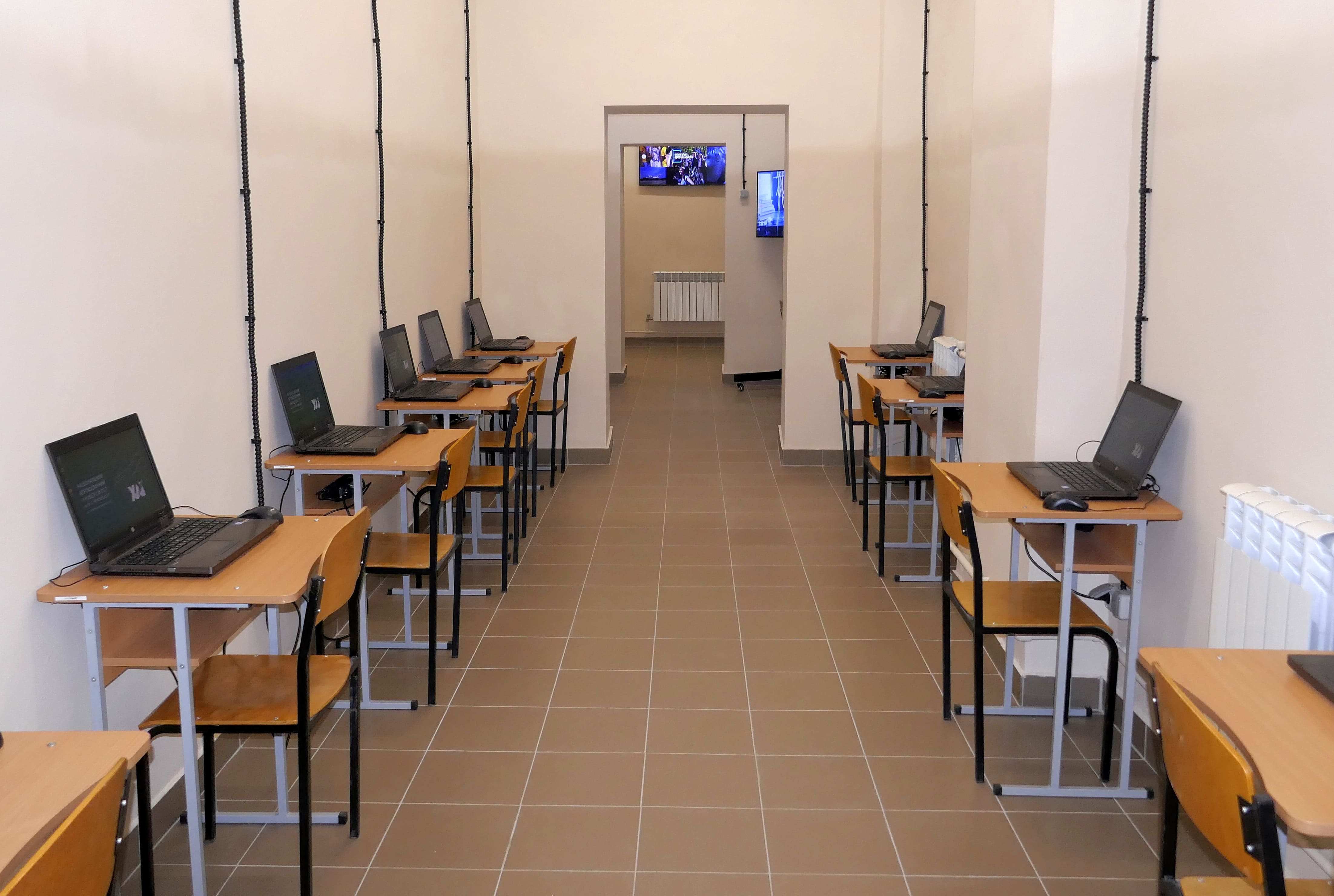
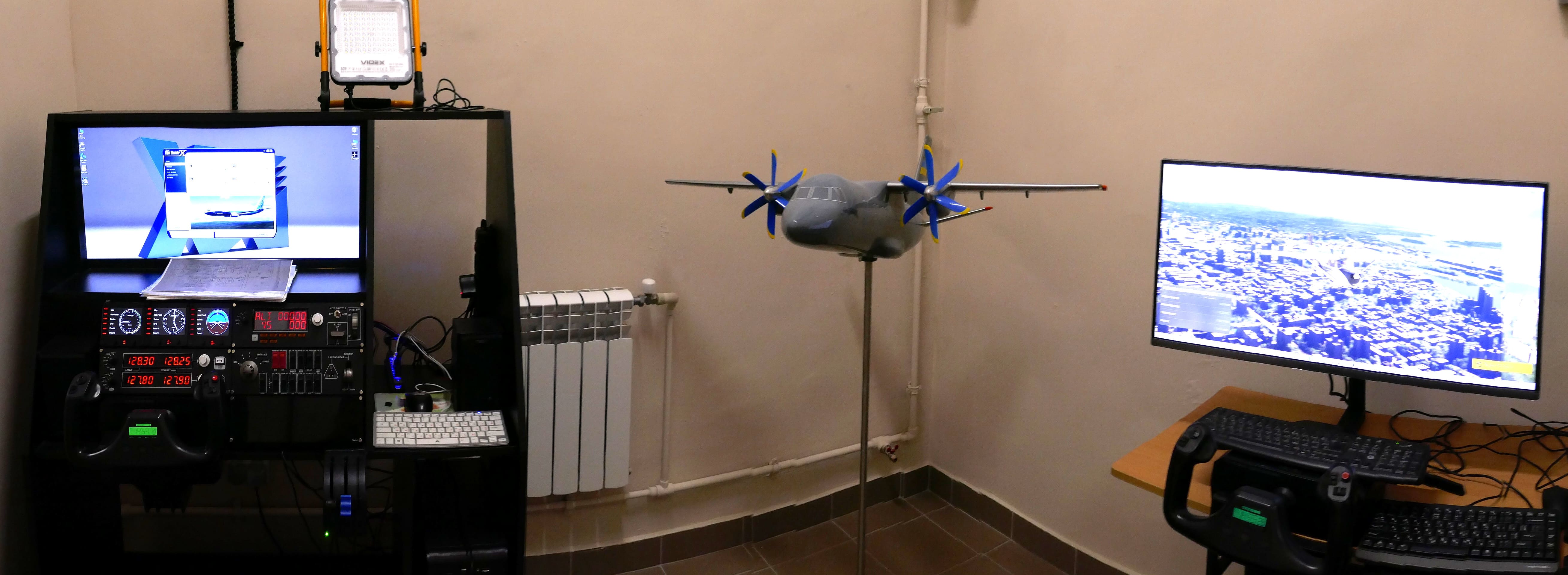
In October 2024, the second phase of the shelters was opened, and the Student Creativity HUB (KhAI HUB) began operating. This became the place where students gathered, and where meetings, student events, and celebrations were held.


A unique chapter in KhAI’s history unfolded on May 25, 2024, KhAI Day. The KhAI Amateur Wind Orchestra (conductor - Artem Slobodyanyuk) set a national record with a 10-hour marathon, playing 94 songs non-stop to mark KhAI’s 94th anniversary. During the performance, the enemy struck Kharkiv with guided bombs. The musicians did not stop - their music resonated throughout KhAI as a symbol of life and the resilience of the university community.
In the spring of 2025, KhAI opened its renovated exhibition hall, where on April 16, with the support of Ukrposhta, a ceremonial cancellation of the commemorative postage stamp issued for KhAI’s 95th anniversary took place.
Over the years, KhAI has trained more than 90,000 engineers. In the pre-war years, a unique statistic was notable: among specialists with higher education working in Ukraine’s aerospace industry, over 70% were KhAI graduates.
KhAI is rightly renowned for the achievements of its scientists in the fields of supersonic aerodynamics, strength of aircraft structures, design of aircraft and rocket engines, flight control systems, and more.
The university’s scientists have patented their inventions in more than 20 countries worldwide. The university’s research activities are marked by significant achievements, play a vital role in its life, and hold leading positions in Ukraine.
KhAI was the first in the world to harness explosive energy for metal processing in mechanical engineering and metallurgy, became a pioneer in flight testing using geometrically and dynamically similar unmanned models, and achieved significant results in the application of microjet engines for material destruction and the creation of modern automated systems for structural research and testing. The institute’s work has been repeatedly showcased at national and international exhibitions and has been awarded more than 300 medals.
Today, KhAI is one of the leading higher education institutions in Ukraine, thanks to the combination of modern educational technologies with the research and experimental work of students and faculty. KhAI is an enduring brand, recognized worldwide.
But most importantly, KhAI has been and remains a symbol of the resilience of the Hero City of Kharkiv - the city’s most “frontline” university.
A university that holds the sky with its engineering mind.
With its wings.